Introduction
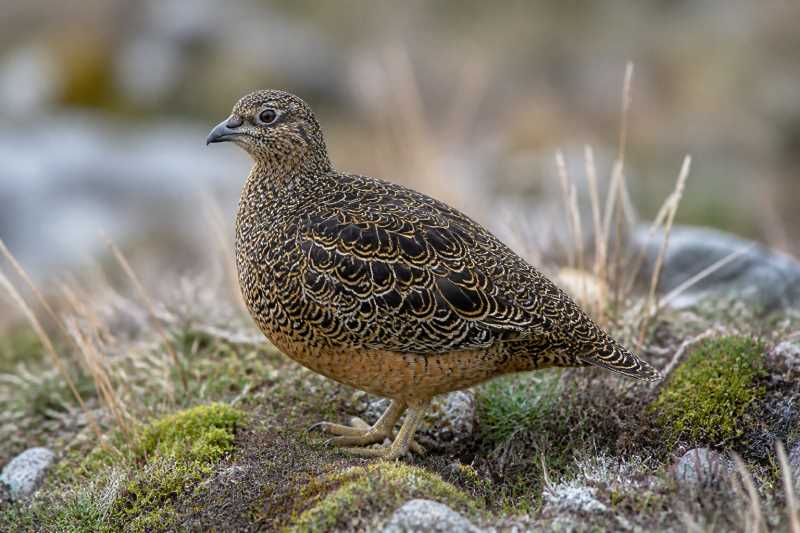
In the vast expanse of South America’s alpine ecosystems, the Rufous-bellied Seedsnipe (Attagis gayi) stands out as a fascinating avian species. Known for its distinctive plumage and remarkable adaptation to high-altitude environments, this bird offers a unique glimpse into the ecological dynamics of the Andes. This article delves into the biology, behavior, and conservation status of the Rufous-bellied Seedsnipe, highlighting its significance within its native habitat.
Taxonomy and Description
The Rufous-bellied Seedsnipe belongs to the family Thinocoridae, a small group of ground-dwelling birds that are specially adapted to life in South America’s mountainous regions. The species is named for its characteristic reddish-brown underparts, a feature that aids in its camouflage against the rocky and often barren landscapes it inhabits.
Measuring approximately 27-30 centimeters in length, the Rufous-bellied Seedsnipe possesses a robust body, short legs, and a small, conical bill—traits that are well-suited for its ground-dwelling lifestyle. Its plumage is a mottled combination of browns, greys, and whites, providing excellent camouflage against the rocky terrain and sparse vegetation it frequents.
Habitat and Distribution
Rufous-bellied Seedsnipes are predominantly found in the high-altitude regions of the Andes, ranging from southern Peru through Bolivia, Chile, and northwest Argentina. These birds are typically associated with puna and páramo ecosystems—unique habitats characterized by cold temperatures, high winds, and sparse vegetation.
Their altitudinal range generally spans from 3,000 to 5,000 meters, though they may descend to lower elevations during harsh weather conditions. The seedsnipe’s ability to thrive in such extreme environments is a testament to its evolutionary adaptations, which include physiological mechanisms for coping with hypoxia and cold temperatures.
Feeding Ecology
The Rufous-bellied Seedsnipe is primarily granivorous, feeding extensively on seeds, leaves, and other plant materials found in its high-altitude habitat. Its diet may also include small invertebrates, particularly during the breeding season when additional protein is crucial for chick development.
The bird’s foraging behavior is methodical, as it uses its short bill to pick through the rocky substrate and vegetation. This feeding strategy allows the seedsnipe to exploit the limited food resources available in its harsh environment, showcasing its specialization and adaptability.
Breeding and Reproduction
Breeding typically occurs during the austral summer, from November to February, when the conditions in the Andes are slightly more temperate. Rufous-bellied Seedsnipes are monogamous, with pairs forming strong bonds that often last for several breeding seasons.
Nesting sites are usually located in sheltered areas, such as crevices or depressions in the ground, where the female lays a clutch of 2-4 eggs. The eggs are cryptically colored, blending seamlessly with their surroundings to avoid predation. Both parents share incubation duties, which last approximately 25-28 days.
Chicks are precocial, meaning they are relatively mature and mobile shortly after hatching. Once hatched, they are capable of following their parents and learning essential survival skills, including foraging and avoiding predators. Parental care continues until the chicks are fully fledged, generally within four to six weeks.
Conservation Status and Threats
Currently, the Rufous-bellied Seedsnipe is classified as a species of Least Concern by the International Union for Conservation of Nature (IUCN). This status is largely attributed to its wide distribution and presumed large population size. However, ongoing environmental changes pose significant threats to its habitat and long-term survival.
Climate change is perhaps the most pressing concern, as rising temperatures and altered precipitation patterns have the potential to disrupt the delicate balance of alpine ecosystems. These changes could lead to shifts in plant communities and the availability of food resources, ultimately impacting seedsnipe populations.
Human activities, such as mining and agriculture, also pose potential threats. Expansion into high-altitude areas can lead to habitat degradation and fragmentation, with detrimental effects on the species’ breeding and foraging grounds.
Conservation Efforts
Conservation efforts for the Rufous-bellied Seedsnipe primarily focus on habitat protection and monitoring population trends. Protected areas across the Andes, including national parks and reserves, play a crucial role in safeguarding critical habitats for this and other high-altitude species.
Research initiatives aimed at understanding the ecological requirements of the Rufous-bellied Seedsnipe are essential for informing conservation strategies. Continued monitoring of population dynamics, coupled with efforts to mitigate the impacts of climate change, will be vital for ensuring the species’ long-term survival.
Conclusion
The Rufous-bellied Seedsnipe is a remarkable example of adaptation and resilience in one of the planet’s most challenging environments. Its presence in the high Andes underscores the rich biodiversity of these ecosystems and highlights the importance of conservation efforts aimed at preserving them. By understanding the ecological role and conservation needs of this unique bird, we can contribute to the protection of its habitat and ensure that future generations continue to witness the beauty and complexity of the Andean highlands.
Related posts