The Enigmatic Sharpbill: A Comprehensive Overview of Oxyruncus cristatus
The Sharpbill (Oxyruncus cristatus) is a captivating bird species that has intrigued ornithologists and bird enthusiasts alike with its unique characteristics and behaviors. Known for its distinct appearance and elusive nature, the Sharpbill occupies a special place in the avifauna of South and Central America.
Taxonomy and Classification
The Sharpbill belongs to the monotypic family Oxyruncidae, which means it is the sole representative of its family. This rarity makes it a subject of particular interest among bird watchers and researchers. The species name, ‘cristatus,’ is derived from the Latin word for ‘crested,’ reflecting one of its most distinctive features—a subtle crest on its head.
Physical Characteristics
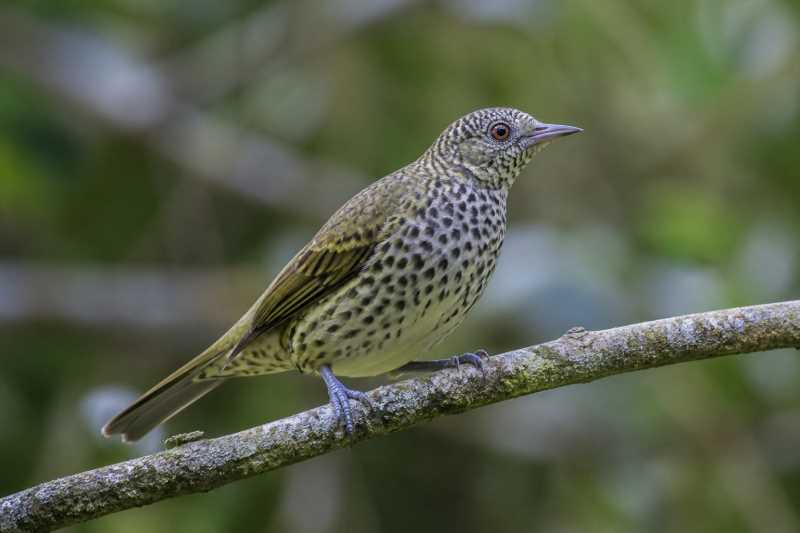
Measuring approximately 20 cm in length, the Sharpbill is a medium-sized bird with a striking appearance. It has a predominantly olive-green plumage with a bright yellow underbelly, which provides excellent camouflage in its forest habitat. Its most distinctive feature, however, is its sharply pointed bill, which is well-adapted for feeding on its preferred diet of fruits and insects.
The bird’s eyes are surrounded by a thin ring of bare skin, adding to its distinctive facial expression. The male and female Sharpbills exhibit similar plumage, which is quite rare among bird species and often complicates gender differentiation in the field.
Habitat and Distribution
The Sharpbill is predominantly found in the subtropical and tropical moist lowland forests of South and Central America, particularly from Costa Rica to northern Argentina. The species favors dense, humid forests, often at elevations ranging from 500 to 2,200 meters.
Despite its extensive range, the Sharpbill is notoriously difficult to spot. Its elusive nature and preference for high forest canopies mean that it is often heard rather than seen. Birders often rely on its distinctive song—a series of high-pitched, melodious whistles—to locate it.
Diet and Feeding Habits
Sharpbills have a varied diet that primarily consists of fruits, making them important seed dispersers in their ecosystems. Their sharp bills are perfectly adapted for piercing and consuming a wide range of fruits, from small berries to larger tropical fruits.
In addition to fruits, the Sharpbill also feeds on insects. It employs a technique known as ‘gleaning,’ where it picks insects off leaves and branches. This dual feeding strategy helps the Sharpbill to thrive in its forest environment, where food sources can vary seasonally.
Reproduction and Lifespan
Little is known about the reproductive behavior of Sharpbills, largely due to their elusive nature. However, it is believed that they build cup-shaped nests high in the forest canopy. The female typically lays two to three eggs, which she incubates for about two weeks.
The lifespan of the Sharpbill in the wild is not well documented, but like many small to medium-sized birds, they are likely to live for several years, provided they can avoid predation and other natural hazards.
Conservation Status
The International Union for Conservation of Nature (IUCN) currently lists the Sharpbill as a species of Least Concern. However, habitat destruction and deforestation pose significant threats to its population, as they do for many forest-dwelling species.
Conservation efforts aimed at preserving tropical forests are crucial for maintaining Sharpbill populations. Protecting these habitats not only benefits the Sharpbill but also countless other species that share its ecosystem.
Cultural Significance and Human Interaction
While the Sharpbill does not hold significant cultural importance in the way some other bird species do, it is nonetheless cherished by birdwatchers and naturalists. Its presence is often considered an indicator of healthy forest ecosystems, making it a species of interest in ecological studies.
Birdwatching tours in countries like Costa Rica and Brazil often highlight the chance to spot a Sharpbill, adding economic value to local communities through eco-tourism. This human interaction underscores the importance of conserving the species and its habitat.
Conclusion
The Sharpbill (Oxyruncus cristatus) remains one of the more enigmatic birds of the Americas. Its unique characteristics and behaviors offer valuable insights into the biodiversity of tropical forests. Ongoing research and conservation efforts are essential to ensure that this fascinating species continues to thrive in its natural habitat.
For those lucky enough to observe it, the Sharpbill serves as a reminder of the incredible diversity and complexity of the natural world—a testament to the wonders of evolution and the delicate balance of ecosystems.
With its striking appearance, distinctive song, and important ecological role, the Sharpbill is a true gem of the avian world, deserving of both admiration and protection.
Related posts