Introduction
The Montane Blind Mole-rat (Nannospalax monticola) stands out as an intriguing subject of study in the world of subterranean mammals. Known for its secretive lifestyle and unique adaptations, this species is a marvel of evolutionary biology. The Montane Blind Mole-rat is a member of the family Spalacidae, which consists of numerous species of blind mole-rats that are distributed across various parts of Europe and Asia. This article delves into the fascinating world of the Montane Blind Mole-rat, exploring its physical characteristics, habitat, behavior, and the conservation challenges it faces.
Physical Description
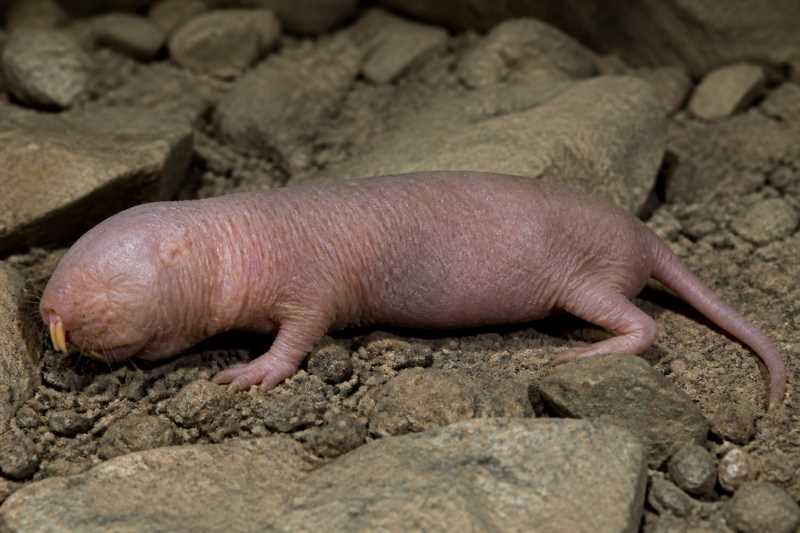
The Montane Blind Mole-rat is a small, robust rodent characterized by its cylindrical body, which is well-suited for life underground. It typically measures about 15 to 25 cm in length and weighs between 60 to 120 grams. One of the most distinctive features of this species is its lack of external eyes, a common trait among blind mole-rats, which have adapted to a life of complete darkness. Instead, skin covers the eye regions, and the mole-rat relies on other senses to navigate its subterranean world.
The fur of the Montane Blind Mole-rat is dense and soft, ranging from grayish to brownish tones, which provides excellent insulation against the cool underground temperatures. Their limbs are short, but powerful, with large, clawed forelimbs that are perfect for digging through soil. The tail is rudimentary, and the ears are reduced to mere openings, minimizing dirt ingress during burrowing.
Range and Habitat
Nannospalax monticola is primarily found in the montane regions of Eastern Europe, particularly in areas where the soil is soft enough to support their extensive tunnel systems. These mole-rats prefer altitudes ranging from 500 to 2,000 meters above sea level, thriving in habitats that offer loose, well-drained soils. They are often found in grasslands, agricultural fields, and forest edges, where they can construct their intricate burrow networks.
Their burrowing activity plays a significant ecological role, as it helps aerate the soil and facilitates seed dispersal. Despite their benefits, these mole-rats are often considered pests by farmers, as their tunneling can disrupt crops.
Behavior and Diet
Montane Blind Mole-rats are solitary creatures, spending the majority of their lives in their carefully constructed burrow systems. These burrows consist of various chambers used for nesting, food storage, and waste disposal. The mole-rats are highly territorial and exhibit aggressive behavior towards intruders, using their sharp incisors as a defense mechanism.
Their diet primarily consists of underground plant materials, such as roots, tubers, and bulbs. They have an impressive ability to locate food sources without relying on sight, utilizing their highly developed sense of smell and touch. These adaptations allow them to forage efficiently in complete darkness.
Identification Tips
Recognizing the Montane Blind Mole-rat in the field requires attention to specific cues:
- Burrow Entrances: Look for distinctive mounds of earth at the burrow entrances, with soil that appears freshly turned.
- Sound Cues: Listen for the rustling and digging sounds that may emanate from underground, indicating their presence.
- Tracks: Although rare, tracks may be visible after rainfall when the soil is soft.
Conservation Status
The Montane Blind Mole-rat is currently listed as a species of Least Concern on the IUCN Red List. However, it faces several threats that could impact its population in the future. Habitat destruction due to agricultural expansion and urban development poses significant challenges. Additionally, the perception of mole-rats as pests leads to persecution by farmers.
Efforts to conserve this species focus on habitat protection and promoting awareness of its ecological benefits. Legal protections in some regions help mitigate the direct threats from human activities.
Frequently Asked Questions
1. What adaptations help the Montane Blind Mole-rat survive underground?
The Montane Blind Mole-rat has evolved several adaptations for subterranean life, including reduced eyes covered by skin, a strong sense of smell and touch for navigation, and powerful forelimbs for digging.
2. Where can Montane Blind Mole-rats be found?
They are primarily found in the montane regions of Eastern Europe, inhabiting altitudes between 500 to 2,000 meters in grasslands, fields, and forest edges.
3. How do Montane Blind Mole-rats impact their ecosystem?
Their burrowing activities aerate the soil, improve its structure, and aid in seed dispersal, contributing to ecosystem health.
4. Are Montane Blind Mole-rats endangered?
Currently, they are not endangered and are listed as Least Concern. However, habitat destruction and persecution pose potential threats.
5. How can Montane Blind Mole-rats be identified?
Look for burrow entrance mounds, listen for underground sounds, and occasionally spot tracks in soft soil.
Related posts