Introduction
Koopman’s Forest Mouse, scientifically known as Monticolomys koopmani, is a remarkable rodent species that is of particular interest to mammalogists and wildlife enthusiasts. This unique mammal, first described in 1996, is the sole member of its genus, Monticolomys. Found exclusively in Madagascar, this mouse is a vital component of its native ecosystem, contributing to the ecological balance of the forests it inhabits. This article explores the various facets of Koopman’s Forest Mouse, including its physical characteristics, habitat preferences, behavior, diet, and conservation status.
Physical Description
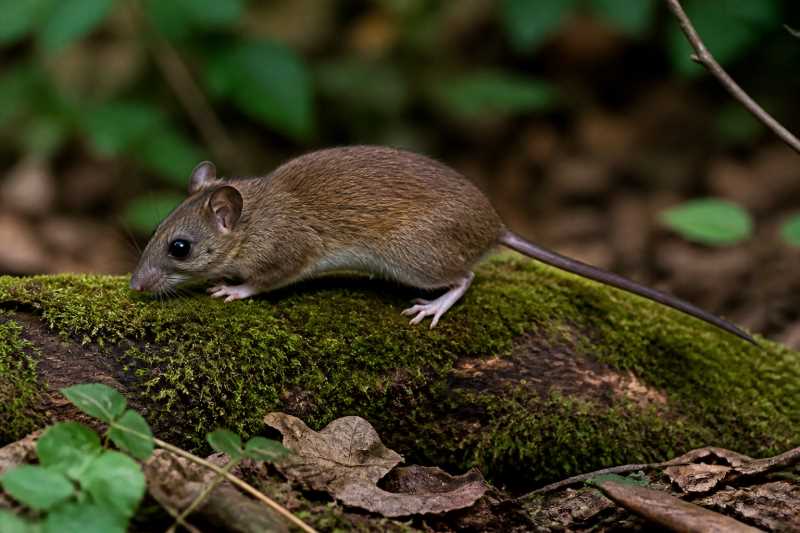
Koopman’s Forest Mouse is a small rodent with a distinctive appearance that sets it apart from other mice species. It typically measures between 8 to 10 centimeters in body length, with a tail that adds an additional 9 to 11 centimeters. The fur is soft and dense, providing insulation against the cool, damp environments of its forest habitat. The dorsal side is usually a rich brown color, which camouflages well with the forest floor, while the ventral side is lighter, often a creamy white or pale gray.
One of the most striking features of Monticolomys koopmani is its large, rounded ears, which are well-adapted for picking up the subtle sounds of predators and prey within the dense forest. The eyes are also relatively large, indicating a reliance on keen eyesight for nocturnal activity. The whiskers are long and sensitive, aiding in navigation and sensory perception in dark environments.
Range and Habitat
Koopman’s Forest Mouse is endemic to Madagascar, an island renowned for its unique biodiversity. This species is primarily found in the eastern rainforests of Madagascar, where the climate is humid and the vegetation is lush. These forests provide ample cover and food resources, making them ideal habitats for this elusive rodent.
The mouse thrives in altitudinal ranges from 800 meters to 1,600 meters, where the temperatures are moderate and the environment is stable. The dense underbrush and plentiful leaf litter offer both protection from predators and a rich foraging ground for food. Unfortunately, these habitats are increasingly threatened by human activities such as deforestation, logging, and agricultural expansion.
Behavior and Diet
Koopman’s Forest Mouse is primarily nocturnal, spending the day hidden in burrows or under dense vegetation. Its nocturnal nature helps it avoid many of the island’s diurnal predators. This species is solitary, with individuals only coming together during the breeding season, which typically occurs during the rainy months when food is more abundant.
The diet of Monticolomys koopmani is omnivorous, consisting of a variety of seeds, fruits, insects, and small invertebrates. This diverse diet allows the mouse to adapt to seasonal changes in food availability. Its foraging behavior is characterized by a methodical search through leaf litter and a keen sense of smell to locate food sources.
Identification Tips (Field Recognition Cues)
Identifying Koopman’s Forest Mouse in the field requires careful observation due to its elusive nature and the dense habitat it occupies. Here are some tips for field recognition:
- Size and Shape: Look for a small rodent with a body length of 8-10 cm and a tail slightly longer than the body.
- Fur Coloration: Note the rich brown dorsal fur and lighter ventral fur.
- Large Ears and Eyes: Observe the proportionally large ears and eyes, which are adaptations for nocturnal activity.
- Behavior: If observed at night, note the solitary behavior and methodical foraging patterns.
Conservation Status (with Threats and Protections)
Koopman’s Forest Mouse is currently classified as "Least Concern" by the International Union for Conservation of Nature (IUCN). However, this status does not mean the species is free from threats. The primary threat to its survival is habitat loss due to deforestation and land conversion for agriculture. These practices not only reduce available habitat but also fragment the remaining forest, isolating populations.
Efforts to conserve Madagascar’s unique biodiversity include establishing protected areas and promoting sustainable land-use practices. Conservation organizations are working to raise awareness about the importance of preserving these ecosystems, not only for the wildlife but also for the local communities that depend on them.
Frequently Asked Questions
1. What makes Koopman’s Forest Mouse unique compared to other mice?
Koopman’s Forest Mouse is unique due to its distinctive physical characteristics, such as large ears and eyes, and its status as the only species in the genus Monticolomys. Its restricted range in Madagascar’s rainforests and its specialized habitat preferences also set it apart.
2. How does Koopman’s Forest Mouse contribute to its ecosystem?
As an omnivore, Koopman’s Forest Mouse plays a crucial role in seed dispersal and pest control. By consuming a variety of seeds and insects, it helps maintain the ecological balance within its forest habitat.
3. Are there any conservation efforts specific to Koopman’s Forest Mouse?
While there are no conservation programs targeting Koopman’s Forest Mouse specifically, broader initiatives to protect Madagascar’s rainforests indirectly benefit the species. These include establishing protected areas and promoting reforestation projects.
4. How can one spot Koopman’s Forest Mouse in the wild?
Spotting this elusive mouse requires patience and keen observation skills. Look for it during nighttime foraging activities, and focus on areas with dense leaf litter and abundant food sources.
5. What are the main threats to Koopman’s Forest Mouse?
The main threats include habitat destruction due to deforestation and agricultural expansion. These activities lead to habitat fragmentation and population isolation, which can impact the species’ long-term survival.
Related posts