Introduction
The Sahyadris Forest Rat, scientifically known as Rattus satarae, is a fascinating rodent species endemic to the Western Ghats of India. This elusive creature is an integral part of the forest ecosystem, playing a crucial role in seed dispersal and maintaining ecological balance. Despite its significance, Rattus satarae remains one of the lesser-known species within its genus, largely due to its restricted range and elusive nature. This article delves deep into the biology, ecology, and conservation status of the Sahyadris Forest Rat, aiming to shed light on its importance and the need for its conservation.
Physical Description
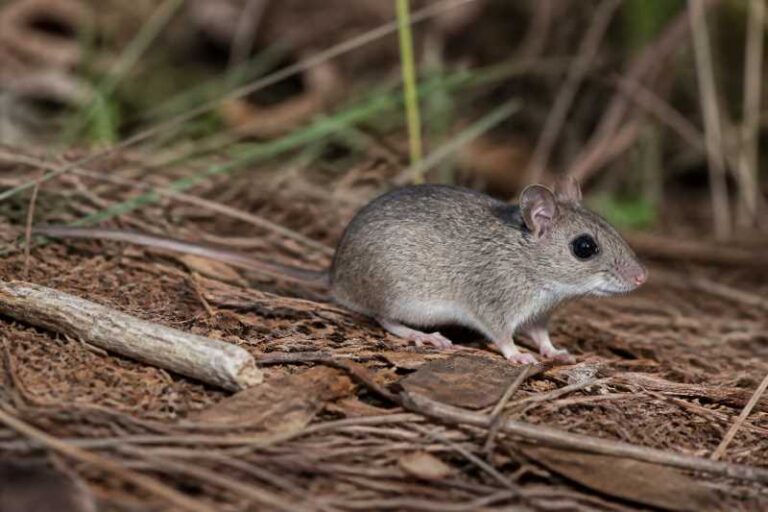
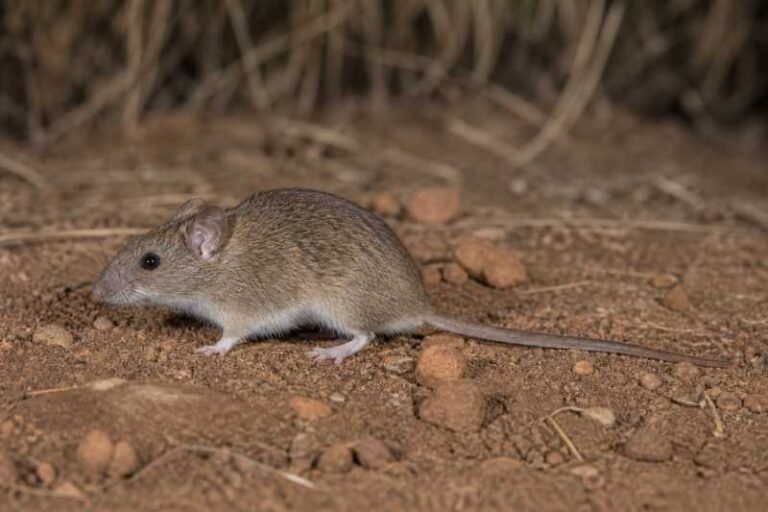
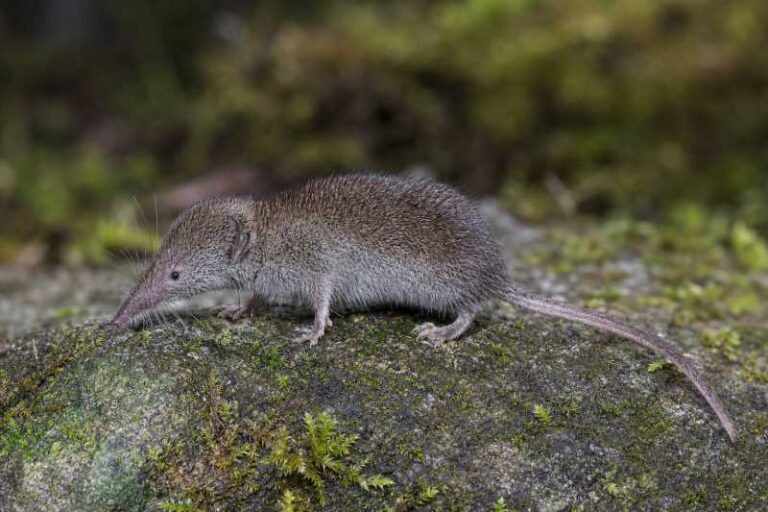
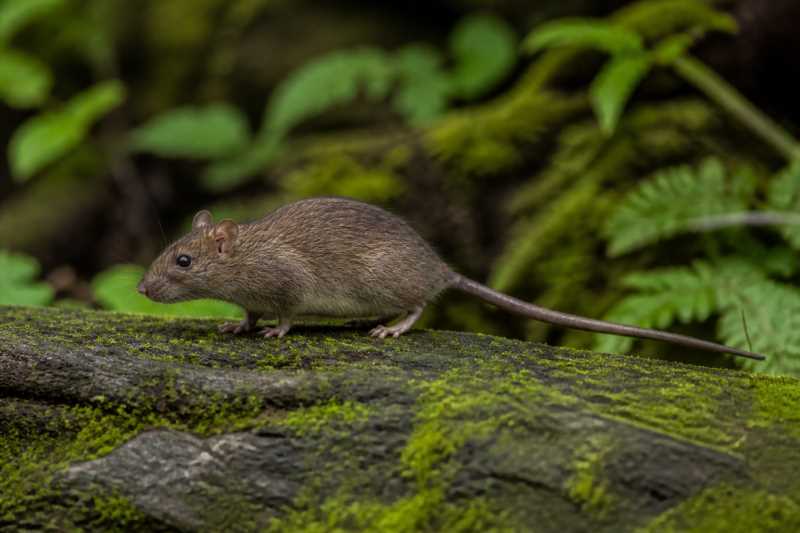
The Sahyadris Forest Rat is a medium-sized rodent characterized by its robust build and adapted features for a forest-dwelling lifestyle. It typically measures between 15 to 20 centimeters in body length, with a tail that is slightly longer than its body. The fur is generally dark brown to black, providing excellent camouflage against the forest floor. Notably, the fur is dense and soft, aiding insulation in the cooler forest climates.
The head of the Sahyadris Forest Rat is relatively large, with a pointed snout and prominent whiskers that enhance its sensory perception. It possesses large, rounded ears that are adept at detecting the faintest of sounds, a vital adaptation for survival in its dense habitat. The eyes are small and beady, adapted for low-light conditions prevalent in forested environments.
Range and Habitat
Rattus satarae is endemic to the Western Ghats, a UNESCO World Heritage site and one of the world’s eight "hottest hotspots" of biological diversity. The species is primarily found in the evergreen and semi-evergreen forests that characterize this mountain range. These forests provide a rich tapestry of vegetation, offering ample food resources and shelter, essential for the survival of this elusive rodent.
The Sahyadris Forest Rat thrives at altitudes ranging from 500 to 2,500 meters above sea level. It is most commonly found in the dense undergrowth and leaf litter of the forest floor, where it constructs burrows for nesting and protection from predators. The species’ range is limited to specific forest patches, making it highly vulnerable to habitat fragmentation and environmental changes.
Behavior and Diet
The Sahyadris Forest Rat is primarily nocturnal, emerging at dusk to forage for food. Its diet is omnivorous, consisting of seeds, fruits, insects, and occasionally small vertebrates. This varied diet plays a critical role in seed dispersal, contributing to forest regeneration and biodiversity.
Socially, Rattus satarae is a solitary creature, except during the breeding season when males and females come together. The breeding season is influenced by environmental factors, with increased activity observed during the monsoon months when food resources are abundant. The female gives birth to litters of 3-6 young after a gestation period of approximately three weeks. The young are weaned and independent within a month, ready to establish their territories.
Identification Tips (field recognition cues)
Identifying the Sahyadris Forest Rat in the field can be challenging due to its elusive nature. However, several cues can aid recognition:
- Tail Length: The tail is distinctly longer than the body and covered in fine scales, which can be a distinguishing feature when observed closely.
- Fur Color: Look for the characteristic dark brown to black fur, which blends seamlessly with the forest floor.
- Ear Shape and Size: Large, rounded ears that are particularly sensitive to sound are a key feature of this species.
- Habitat: Observe the animal’s environment; Rattus satarae is typically found in dense, undisturbed forest patches.
- Nocturnal Activity: Most active during the night, sightings are more likely at dusk or dawn.
Conservation Status (with threats and protections)
The International Union for Conservation of Nature (IUCN) currently classifies the Sahyadris Forest Rat as "Data Deficient," reflecting the lack of comprehensive studies on the species. However, its restricted range and the ongoing threats to its habitat suggest that it could be at risk.
Threats
- Habitat Loss: Deforestation for agriculture, urbanization, and infrastructure development continues to fragment and reduce available habitat.
- Climate Change: Altered rainfall patterns and temperatures could impact the delicate balance of the forest ecosystem, affecting food availability and habitat conditions.
- Predation and Competition: Introduced species and increased predation pressures can threaten local populations.
Protections
Efforts to conserve the Sahyadris Forest Rat focus on habitat protection and restoration. The Western Ghats are a protected area, but enforcement of conservation laws remains crucial. Raising awareness about the species’ ecological role and promoting research to gather data are vital for its protection.
Frequently Asked Questions
What is the Sahyadris Forest Rat’s role in the ecosystem?
The Sahyadris Forest Rat plays a significant role in forest ecosystems through seed dispersal and as a prey species for larger predators. Its activities aid in maintaining plant diversity and ecological balance in the Western Ghats.
How can the Sahyadris Forest Rat be conserved?
Conservation efforts should focus on habitat protection, enforcing anti-deforestation laws, and conducting research to better understand the species’ ecology and needs. Community engagement and education can also play a pivotal role in local conservation initiatives.
What are the major threats to the Sahyadris Forest Rat?
Major threats include habitat loss due to deforestation, climate change, and increased predation from introduced species. These factors contribute to the fragmentation and potential decline of populations.
How does the Sahyadris Forest Rat differ from other rat species?
Distinct features of the Sahyadris Forest Rat include its restricted range in the Western Ghats, nocturnal habits, and unique adaptations to a forest environment, such as its fur color and ear size.
Are there any conservation programs specifically for the Sahyadris Forest Rat?
Currently, there are no specific programs targeting the Sahyadris Forest Rat, but broader conservation efforts in the Western Ghats aim to protect its habitat and other endemic species through legal protections and sustainable management practices.
Related posts