Introduction
The Large New Guinea Spiny Rat, scientifically named Rattus praetor, is a fascinating mammal species that inhabits the diverse landscapes of New Guinea and some surrounding islands. As a member of the Muridae family, which includes other rodents such as mice and voles, the Large New Guinea Spiny Rat is uniquely adapted to its environment. This article delves into the various aspects of this intriguing mammal, providing insights into its physical characteristics, habitat, behavior, and the conservation challenges it faces.
Physical Description
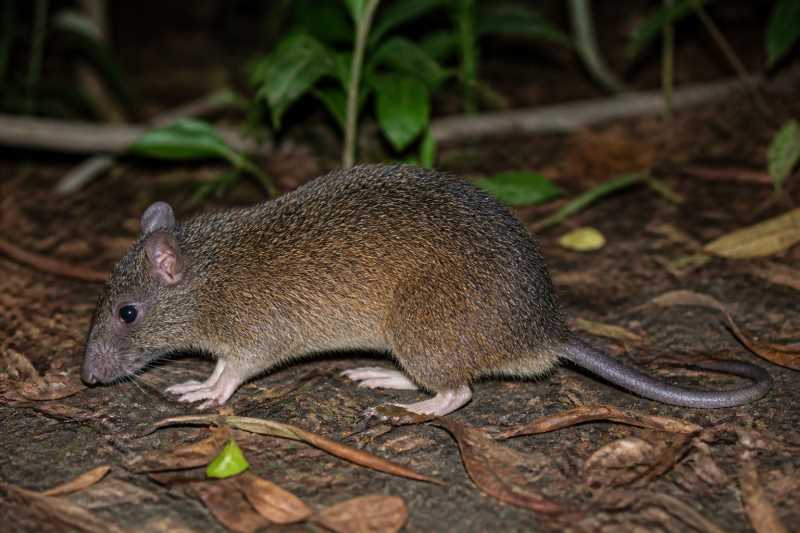
The Large New Guinea Spiny Rat is aptly named due to its distinctive spiny fur, which serves as a protective mechanism against predators. Adult rats typically measure between 20 to 25 centimeters in body length, with a tail that adds an extra 20 to 30 centimeters. This species is characterized by its robust and muscular build, a trait that aids its survival in the wild. The fur is generally coarse and spiny, with a color palette that ranges from brown to gray, helping it blend seamlessly into its natural surroundings.
The spines, which are modified hairs, are more pronounced along the back and serve an additional role in sensory perception. The rat’s ears are relatively small and rounded, while its eyes are adapted for nocturnal activity, providing excellent night vision. The incisors are strong and continually growing, a common characteristic among rodents, allowing them to gnaw effectively on a variety of materials.
Range and Habitat
The Large New Guinea Spiny Rat is predominantly found in New Guinea, including both Papua New Guinea and the Indonesian part of the island. It is also present on several offshore islands, such as New Britain. The species thrives in a variety of habitats, ranging from lowland rainforests to mountainous regions.
These rats are particularly adept at surviving in dense forest environments, where they utilize the underbrush for cover and foraging. They are also known to inhabit areas of secondary growth, which can provide ample food resources following disturbances such as logging or natural events. Their adaptability to different habitats is a testament to their resilience and ecological importance.
Behavior and Diet
Large New Guinea Spiny Rats are primarily nocturnal creatures, spending their days in burrows or hidden within the dense vegetation, emerging at night to forage. Their diet is omnivorous, consisting of a wide array of foods including fruits, seeds, insects, and occasionally small vertebrates. This dietary flexibility allows them to exploit various food sources, particularly in changing environments.
Socially, these rats are generally solitary or found in small family groups. They communicate through a series of vocalizations and scent markings, which help establish territories and social hierarchies. Their keen sense of smell is critical for locating food and recognizing kin or potential mates.
Identification Tips
Field recognition of the Large New Guinea Spiny Rat can be aided by several key characteristics:
- Spiny Fur: Look for the distinctive spiny fur along the back, which is less common in other rat species.
- Size: Note the relatively large size compared to other local rodent species, with a body length of 20-25 cm.
- Coloration: The brown to gray coloration is a good indicator, especially when combined with the spiny texture.
- Tail Length: The tail is often as long or longer than the body, aiding in balance and agility in dense foliage.
- Habitat Preference: Observing the habitat can also provide clues, as these rats favor forested and mountainous areas.
Conservation Status
Currently, the Large New Guinea Spiny Rat is not listed as endangered, but it faces several conservation challenges that could impact its future populations. The primary threats include habitat destruction due to logging, agricultural expansion, and human settlement. These activities lead to fragmentation and degradation of their natural habitats, reducing available resources and increasing vulnerability to predators.
Conservation efforts are crucial to ensure the survival of this species. Protecting large tracts of forest and establishing wildlife corridors can help maintain viable populations. Additionally, educating local communities about the ecological role of these rats can foster coexistence and support for conservation initiatives.
Frequently Asked Questions
Q1: How do Large New Guinea Spiny Rats protect themselves from predators?
A1: They use their spiny fur as a defense mechanism, which deters many predators. Their nocturnal habits and ability to quickly navigate dense underbrush also help them avoid danger.
Q2: What is the breeding behavior of the Large New Guinea Spiny Rat?
A2: These rats typically breed year-round, with females producing several litters annually. Each litter consists of 2-6 young, which are weaned after a few weeks.
Q3: Are Large New Guinea Spiny Rats dangerous to humans?
A3: Generally, these rats are not dangerous to humans. They are shy and tend to avoid human contact. However, like all wild rodents, they may carry diseases that could be harmful if transmitted.
Q4: Can Large New Guinea Spiny Rats adapt to urban environments?
A4: While primarily forest dwellers, some populations may adapt to rural or semi-urban areas, especially where natural habitats overlap with human settlements.
Q5: What role do Large New Guinea Spiny Rats play in their ecosystem?
A5: They are important seed dispersers and help control insect populations, contributing to the ecological balance of their habitats.
Related posts