Schouteden’s Thicket Rat (Thamnomys schoutedeni)
Introduction
Schouteden’s Thicket Rat, scientifically known as Thamnomys schoutedeni, is a small mammalian species belonging to the Muridae family. Named after the Belgian zoologist Henri Schouteden, this elusive rodent primarily inhabits the dense thickets and forests of Central Africa. Despite its relatively obscure status in the broader field of mammalogy, Schouteden’s Thicket Rat plays a crucial role in its ecosystem as both prey and seed disperser.
The study of Schouteden’s Thicket Rat provides valuable insights into the biodiversity and ecological dynamics of tropical forest ecosystems. This article delves into various aspects of the species, including its physical characteristics, habitat preferences, behavior, and conservation status.
Physical Description
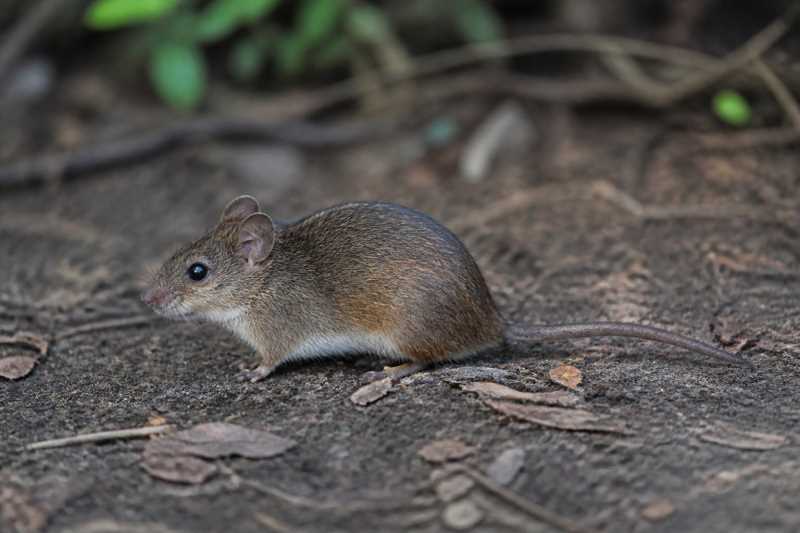
Schouteden’s Thicket Rat is a small to medium-sized rodent characterized by its sleek and agile body. The species exhibits sexual dimorphism, with males slightly larger than females. Adults typically measure between 12 to 18 centimeters in body length, with a tail length that can range from 15 to 22 centimeters, aiding in their balance and agility.
The fur of Schouteden’s Thicket Rat is dense and soft, primarily grayish-brown on the dorsal side, transitioning to a lighter gray or off-white on the ventral side. This coloration provides effective camouflage against the forest floor and thicket underbrush where it resides. The ears are moderately large and rounded, while the whiskers are long and sensitive, helping the rat navigate its densely vegetated environment.
Range and Habitat
Schouteden’s Thicket Rat is endemic to Central Africa, with its range extending across parts of the Democratic Republic of the Congo, Uganda, and Rwanda. The species thrives in tropical and subtropical moist lowland forests, montane forests, and dense thickets. These environments offer abundant food resources and ample cover from predators.
The rat’s preference for dense vegetation means it is often found in areas with rich undergrowth, fallen logs, and leaf litter. This habitat selection is crucial for its survival, providing both nourishment and protection from an array of natural threats.
Behavior and Diet
Schouteden’s Thicket Rat is predominantly nocturnal, engaging in most of its activities under the cover of darkness. This behavior reduces its risk of predation and allows it to exploit food resources with less competition. The species is also known for its solitary and secretive nature, although it may exhibit some social behavior during the breeding season.
The diet of Schouteden’s Thicket Rat is primarily herbivorous, consisting of seeds, fruits, leaves, and occasionally small invertebrates. Its role as a seed disperser is vital to the maintenance of its forest habitat, contributing to plant diversity and ecosystem health.
Identification Tips (Field Recognition Cues)
Identifying Schouteden’s Thicket Rat in the field requires keen observation and attention to detail. Key identification tips include:
- Size and Shape: Look for a medium-sized rodent with a long tail relative to its body length.
- Coloration: Note the grayish-brown dorsal fur and lighter ventral coloring, which help distinguish it from other rodents in the region.
- Habitat: Focus on dense thickets and moist forest areas, especially those with abundant ground cover.
- Activity Pattern: Primarily nocturnal, so sightings are more likely during dawn or dusk.
Conservation Status (with Threats and Protections)
As of the latest assessments, Schouteden’s Thicket Rat is classified as a species of Least Concern on the IUCN Red List. However, the species faces several threats that could impact its population in the future. Habitat loss due to deforestation, agricultural expansion, and human settlement poses significant risks to its natural environment.
Conservation efforts for Schouteden’s Thicket Rat require habitat protection and restoration initiatives. Protected areas and national parks within its range play a crucial role in safeguarding its habitats. Additionally, raising awareness about the ecological importance of small mammals in forest ecosystems can bolster conservation strategies.
Frequently Asked Questions
What are the main threats to Schouteden’s Thicket Rat?
The primary threats to Schouteden’s Thicket Rat include habitat loss due to deforestation, agricultural expansion, and habitat fragmentation. Conservation efforts focus on habitat preservation to mitigate these threats.
How does Schouteden’s Thicket Rat contribute to its ecosystem?
Schouteden’s Thicket Rat contributes to its ecosystem by acting as a seed disperser and a prey species for predators. Its activities help maintain plant diversity and support the food web within its habitat.
Where can Schouteden’s Thicket Rat be found?
Schouteden’s Thicket Rat is found in Central Africa, specifically within the Democratic Republic of the Congo, Uganda, and Rwanda. It inhabits tropical and subtropical moist forests and dense thickets.
What does Schouteden’s Thicket Rat eat?
The diet of Schouteden’s Thicket Rat mainly consists of seeds, fruits, and leaves, supplemented occasionally by small invertebrates. Its herbivorous diet plays a role in seed dispersion and forest regeneration.
Is Schouteden’s Thicket Rat endangered?
Currently, Schouteden’s Thicket Rat is not endangered and is classified as Least Concern by the IUCN. However, ongoing habitat destruction could pose future risks if not addressed through effective conservation measures.
Related posts