Daphne’s Oldfield Mouse (Thomasomys daphne): A Comprehensive Guide
Introduction
Daphne’s Oldfield Mouse, scientifically known as Thomasomys daphne, is a captivating rodent species belonging to the diverse family of Cricetidae. This small mammal, native to the cloud forests of South America, is a subject of interest for researchers and wildlife enthusiasts alike. Despite its elusive nature, understanding the biology and ecology of Daphne’s Oldfield Mouse is crucial for biodiversity conservation efforts in its habitat. This article delves into the various aspects of this intriguing species, from its physical description to its conservation status, providing a comprehensive overview for readers keen on exploring the wonders of the natural world.
Physical Description
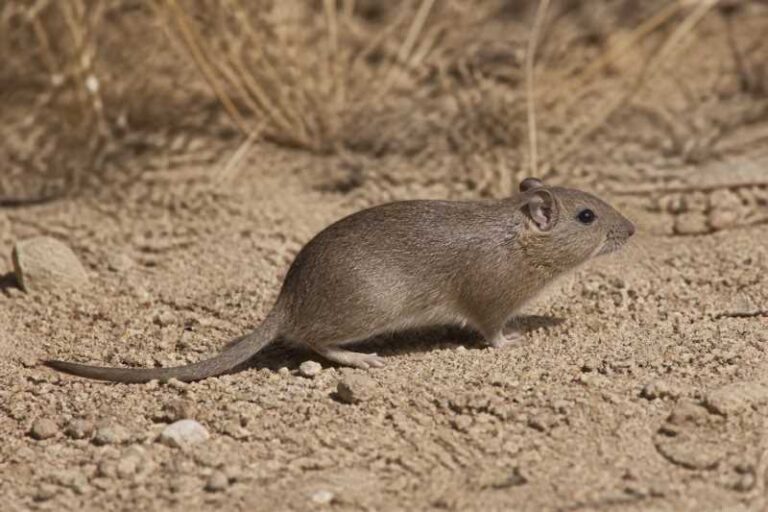
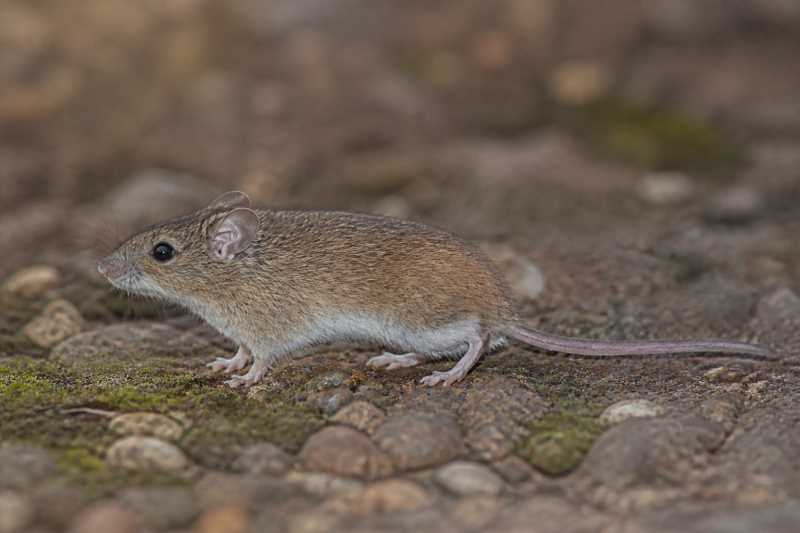
Daphne’s Oldfield Mouse is a medium-sized rodent characterized by its distinct morphological features. It typically has a body length ranging from 14 to 18 centimeters, with a tail length that matches or slightly exceeds its body length. The mouse’s fur is soft and dense, exhibiting a rich brown coloration on the dorsal side that transitions to a lighter, grayish hue on the ventral side. This coloration provides excellent camouflage in its natural habitat.
The species possesses a pointed snout and large, rounded ears, which are adaptations that aid in detecting predators and navigating through dense vegetation. Its eyes are relatively large, providing good vision in low-light conditions. The limbs of Daphne’s Oldfield Mouse are slender, with sharp claws that facilitate climbing and foraging.
Range and Habitat
Daphne’s Oldfield Mouse is endemic to the montane cloud forests of the Andes in South America. Its range extends across several countries, including Peru and Ecuador, where it inhabits elevations ranging from 1,500 to 3,000 meters above sea level. These cloud forests are characterized by high humidity, frequent mist, and dense vegetation, providing an ideal environment for the species.
The mouse thrives in areas with abundant undergrowth and fallen leaves, which offer ample cover and foraging opportunities. It is also found in secondary forests and areas disturbed by human activity, although such environments may pose challenges to its survival.
Behavior and Diet
Daphne’s Oldfield Mouse is primarily nocturnal, with peak activity occurring during the night. This behavior reduces the risk of predation and allows the species to exploit food resources that are less accessible during daylight hours. The mouse is an agile climber, capable of navigating both the forest floor and the lower canopy in search of food.
The diet of Daphne’s Oldfield Mouse is omnivorous, consisting of seeds, fruits, insects, and small invertebrates. This dietary flexibility enables the species to adapt to seasonal variations in food availability. The mouse plays a vital role in seed dispersal, contributing to forest regeneration and biodiversity.
Identification Tips (Field Recognition Cues)
Identifying Daphne’s Oldfield Mouse in the field requires careful observation and knowledge of its distinctive characteristics:
- Fur Coloration: Look for the brown dorsal fur and grayish ventral fur, which provide camouflage.
- Size and Tail Length: Note the mouse’s body length (14-18 cm) and the tail length, which is about the same as the body.
- Ears and Eyes: Observe the large, rounded ears and prominent eyes, adaptations for nocturnal activity.
- Habitat Preference: Focus on cloud forests and areas with dense vegetation.
Conservation Status (with Threats and Protections)
Daphne’s Oldfield Mouse is currently classified as "Least Concern" by the International Union for Conservation of Nature (IUCN). However, this status does not imply that the species faces no threats. Habitat loss due to deforestation, agricultural expansion, and urbanization poses significant challenges to its survival.
Conservation efforts are essential for maintaining the ecological balance of the cloud forest ecosystems. Protected areas and national parks within the mouse’s range offer some level of protection. Additionally, understanding and mitigating human-induced threats, such as habitat destruction and climate change, are crucial for the long-term conservation of the species.
Frequently Asked Questions
1. What adaptations help Daphne’s Oldfield Mouse survive in cloud forests?
Daphne’s Oldfield Mouse is well-adapted to its cloud forest habitat through features such as its camouflaged fur, large ears for detecting predators, and sharp claws for climbing. These adaptations enhance its ability to forage and avoid predators in a dense, misty environment.
2. How does Daphne’s Oldfield Mouse contribute to its ecosystem?
The mouse plays a vital role in its ecosystem by dispersing seeds and controlling insect populations. Its foraging activities help maintain forest health and biodiversity, highlighting the importance of its ecological niche.
3. What are the main threats to Daphne’s Oldfield Mouse?
The primary threats to Daphne’s Oldfield Mouse include habitat loss due to deforestation and land-use changes. These impacts reduce available habitat and food resources, posing challenges to the species’ survival.
4. Is Daphne’s Oldfield Mouse active during the day?
No, Daphne’s Oldfield Mouse is primarily nocturnal. It is most active at night when it forages for food, reducing the risk of predation and competition with diurnal species.
5. In which countries can Daphne’s Oldfield Mouse be found?
Daphne’s Oldfield Mouse is found in the Andean regions of Peru and Ecuador, inhabiting cloud forests at elevations between 1,500 and 3,000 meters.
Related posts