Emma’s Giant Rat (Uromys emmae): A Comprehensive Guide
Introduction
Emma’s Giant Rat, scientifically known as Uromys emmae, is a remarkable rodent species that garners interest among mammalogists and wildlife enthusiasts alike. These mammals belong to the family Muridae, which includes the diverse and widespread rat and mouse species. Known for their distinctive size and unique behavioral traits, Emma’s Giant Rat is a fascinating subject of study, particularly regarding its ecology and conservation status.
This article delves into the various aspects of Emma’s Giant Rat, including its physical description, natural habitat, behavior, diet, identification tips, conservation status, and some frequently asked questions. By the end of this article, you will have a comprehensive understanding of this intriguing mammal species.
Physical Description
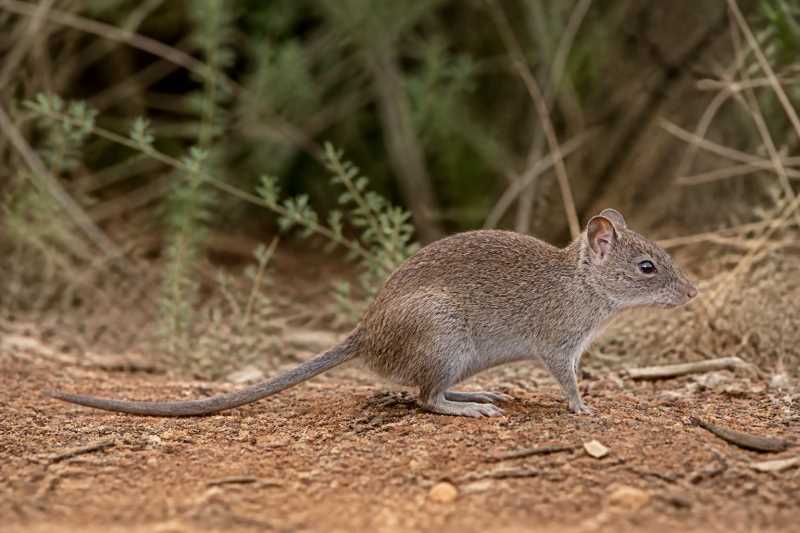
Emma’s Giant Rat stands out due to its impressive size compared to other rodent species. Typically, the body length of these rats ranges from 25 to 30 centimeters, with a tail length that can match or exceed their body length, contributing to their overall long appearance. The weight of an adult Emma’s Giant Rat can vary between 700 to 1,200 grams, making them one of the largest rat species.
Their fur is dense and coarse, primarily exhibiting a dark brown or grayish coloration, which aids in camouflage within their natural habitat. The underbelly is usually lighter, with shades varying from white to pale gray. Emma’s Giant Rat also features large, rounded ears and a robust, pointed snout, which are characteristic traits of the genus Uromys.
The large eyes of Emma’s Giant Rat suggest a nocturnal lifestyle, adapted for navigating their environment during the night. Their sturdy limbs and dexterous claws are also well-suited for climbing and digging, activities they frequently engage in as part of their daily routine.
Range and Habitat
Emma’s Giant Rat is endemic to the tropical regions of Australia and nearby islands, where they inhabit a variety of forested environments. They are particularly associated with dense tropical rainforests, but their range can extend to secondary growth forests and occasionally into agricultural lands where they can find food and shelter.
The specific distribution of Emma’s Giant Rat is concentrated in the northeastern parts of Queensland, Australia, and some neighboring islands. Their presence is often linked to areas that provide ample vegetation cover and a reliable food source, as these factors are crucial for their survival and reproduction.
These rats are arboreal in nature, meaning they spend a significant amount of time in the trees. This habitat choice offers them protection from predators and a rich supply of fruits, seeds, and other food items found in the forest canopy.
Behavior and Diet
Emma’s Giant Rat is primarily nocturnal, using the cover of darkness to forage and conduct other activities. This nocturnal behavior is a common adaptation among many rodent species, helping them avoid daytime predators.
Their diet is omnivorous, consisting mainly of fruits, seeds, and nuts, supplemented by insects and small invertebrates. Emma’s Giant Rat plays a crucial role in seed dispersal, aiding in the propagation of various plant species within their habitat. This ecological role underscores their importance in maintaining the health and diversity of their forest ecosystems.
Social behavior in Emma’s Giant Rat is not as pronounced as in some other mammalian species. They are generally solitary, coming together primarily for mating purposes. Their reproductive cycle is not well-documented, but like many rodents, they likely have a relatively rapid breeding cycle, which helps sustain their populations despite potential threats.
Identification Tips (Field Recognition Cues)
Identifying Emma’s Giant Rat in the wild can be challenging due to their nocturnal habits and arboreal lifestyle. However, several field recognition cues can aid in their identification:
- Size and Build: Look for a large rodent, significantly bigger than common rats, with a robust body and long tail.
- Fur Coloration: Observe the dense, dark brown or grayish fur, with a lighter underbelly.
- Nocturnal Activity: Spotting them is more likely during the night when they are active in search of food.
- Habitat: Search within dense forested areas, particularly in regions with ample tree cover.
- Tracks and Signs: Look for tracks or droppings on forest floors or signs of gnawing on nuts and fruits.
Conservation Status (With Threats and Protections)
Emma’s Giant Rat is currently listed as a species of Least Concern by the International Union for Conservation of Nature (IUCN). However, they face several threats that could impact their populations in the future.
Threats
- Habitat Loss: Deforestation for agriculture and urban development poses significant threats to their natural habitats.
- Climate Change: Alterations in climate patterns can impact the availability of food resources and suitable habitats.
- Predation: Introduced predators such as cats and foxes pose a risk to their survival.
Protections
Efforts to protect Emma’s Giant Rat include:
- Habitat Conservation: Protecting and restoring their natural habitats through conservation policies.
- Research and Monitoring: Conducting studies to better understand their ecology and population dynamics.
- Education and Awareness: Raising awareness about the species and its role in the ecosystem.
Frequently Asked Questions
1. How can I distinguish Emma’s Giant Rat from other rat species?
Emma’s Giant Rat can be distinguished by its larger size, dark coarse fur, and arboreal habits. Their nocturnal activity also sets them apart from many other species.
2. What is the diet of Emma’s Giant Rat?
Emma’s Giant Rat is primarily omnivorous, consuming a variety of fruits, seeds, and nuts, along with insects and small invertebrates.
3. Where can I find Emma’s Giant Rat in the wild?
You can find Emma’s Giant Rat in the tropical rainforests of northeastern Queensland, Australia, and some nearby islands, especially in areas with dense vegetation.
4. Are Emma’s Giant Rats endangered?
Currently, Emma’s Giant Rat is not considered endangered, but they face threats from habitat loss, climate change, and introduced predators.
5. What role does Emma’s Giant Rat play in its ecosystem?
Emma’s Giant Rat plays a crucial role in seed dispersal, contributing to forest regeneration and maintaining biodiversity within their habitat.
Related posts