Introduction
Poncelet’s Giant Rat, known scientifically as Solomys ponceleti, is a remarkable mammal that is part of the unique biodiversity found in the Solomon Islands. This enigmatic rodent, first described in the mid-20th century, continues to intrigue researchers and conservationists alike due to its distinct characteristics and ecological role within its habitat. As one of the largest members of the Muridae family, Poncelet’s Giant Rat is not only significant for its size but also for its adaptability to the forested environments of the Solomon Islands.
Understanding the biology and ecology of Solomys ponceleti is crucial for conservation efforts, especially in the face of habitat destruction and other anthropogenic pressures. This article delves into the various aspects of Poncelet’s Giant Rat, from its physical attributes to its behavioral patterns, and discusses its conservation status to provide a comprehensive overview of this fascinating species.
Physical Description
Poncelet’s Giant Rat is distinguished by its substantial size compared to other rodents. Adult individuals can weigh between 500 to 900 grams, with a body length ranging from 25 to 30 centimeters, excluding the tail. The tail itself is usually about as long as the body, aiding in balance and mobility through the dense forest terrain.
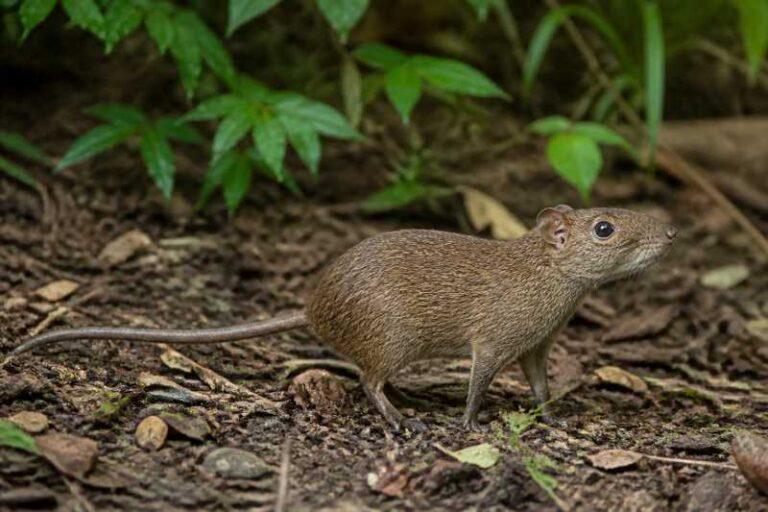
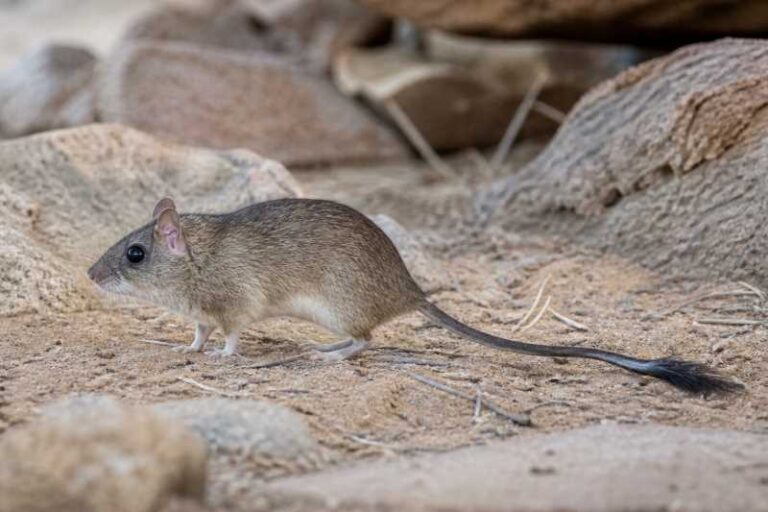
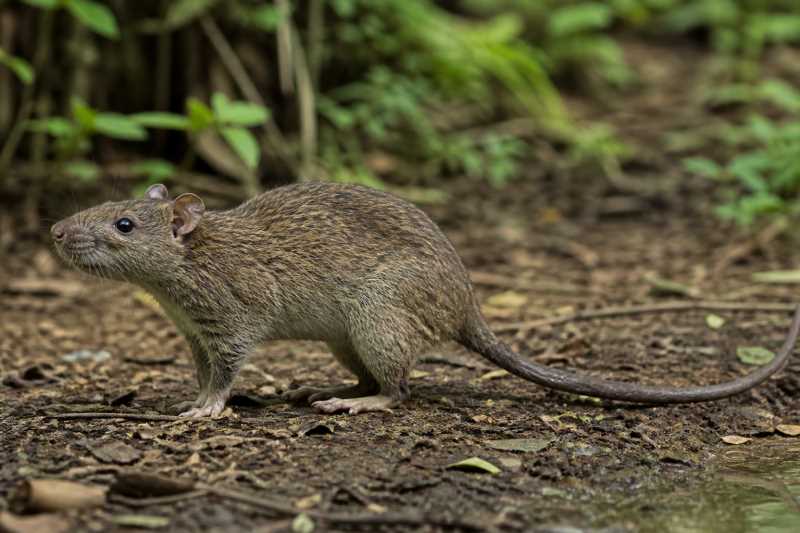
The fur of Solomys ponceleti is typically coarse, with a coloration that blends well with its forested environment. The dorsal side is generally a mix of brown and gray hues, providing excellent camouflage against the leaf litter and tree bark. The ventral side is lighter, often displaying a whitish or pale gray tone.
One of the most striking features of Poncelet’s Giant Rat is its robust head with a pronounced snout and large, sensitive whiskers that help it navigate and forage in the dark, dense undergrowth. Its ears are relatively small and rounded, and its eyes are adapted for nocturnal activity, reflecting its crepuscular and nocturnal lifestyle.
Range and Habitat
Solomys ponceleti is endemic to the Solomon Islands, a group of islands in the South Pacific Ocean. Its range is primarily restricted to the larger islands within this archipelago, where it inhabits lowland and montane forests.
The preferred habitat of Poncelet’s Giant Rat includes primary and secondary forests, where it can find ample cover and food resources. These forests, characterized by high humidity and dense vegetation, provide the perfect environment for the species to thrive. The rat tends to avoid open areas and is rarely found near human settlements, which has helped it to maintain some distance from direct human interference.
Behavior and Diet
Poncelet’s Giant Rat is predominantly nocturnal, spending the daylight hours in burrows or hidden within dense foliage. This behavior not only helps it avoid predators but also reduces competition for food with other diurnal animals.
The diet of Solomys ponceleti is omnivorous, consisting of fruits, seeds, and small invertebrates. It plays a critical ecological role as both a seed disperser and a predator of certain invertebrates, thereby contributing to the overall health and regeneration of its forest habitat.
Socially, Poncelet’s Giant Rat is relatively solitary, though it may form small groups during the breeding season. Communication is likely facilitated through vocalizations and scent markings, common traits among rodent species.
Identification Tips (Field Recognition Cues)
Identifying Poncelet’s Giant Rat in the wild requires attention to several key characteristics:
- Size and Shape: Look for a large rodent with a body length of 25 to 30 centimeters and a proportionally long tail.
- Fur Coloration: Note the brown and gray dorsal fur with a lighter underside.
- Habitat: Focus on forested areas away from human settlements.
- Behavior: Observe nocturnal foraging activity and signs of burrowing.
Field researchers often rely on these cues, along with tracks and droppings, to confirm the presence of Solomys ponceleti in a given area.
Conservation Status (with Threats and Protections)
The conservation status of Poncelet’s Giant Rat is currently listed as Vulnerable by the International Union for Conservation of Nature (IUCN). The primary threats to its survival include habitat loss due to logging and agricultural expansion, as well as predation by introduced species such as cats and dogs.
Conservation efforts are underway to protect the remaining populations of Solomys ponceleti. These efforts include habitat preservation through the establishment of protected areas and community-based forest management initiatives. Additionally, research and monitoring programs aim to gather more data on the species’ distribution and population trends.
Frequently Asked Questions
1. What is the largest rodent in the Solomon Islands?
Poncelet’s Giant Rat (Solomys ponceleti) is considered one of the largest rodent species in the Solomon Islands, characterized by its substantial size and weight.
2. How does Poncelet’s Giant Rat contribute to its ecosystem?
This species plays a vital role in seed dispersal and the control of invertebrate populations, contributing to forest regeneration and ecological balance.
3. What are the main threats to Poncelet’s Giant Rat?
The main threats include habitat destruction due to logging and agriculture, as well as predation by non-native species like cats and dogs.
4. Are there any conservation programs for Poncelet’s Giant Rat?
Yes, conservation programs focus on habitat protection, research, and community engagement to ensure the survival of Solomys ponceleti.
5. How can I help protect Poncelet’s Giant Rat?
Supporting conservation organizations and promoting awareness about the species and its habitat can aid in protection efforts.
Related posts