
Introduction
The Pilbara delicate mouse, scientifically known as Pseudomys pilbarensis, is a small mammalian species endemic to the Pilbara region of Western Australia. Known for its elusive nature and delicate appearance, this species is an integral part of Australia’s unique biodiversity. This article delves into the various aspects of the Pilbara delicate mouse, including its physical characteristics, habitat, behavior, and conservation status. By understanding these elements, we can appreciate the ecological role of this species and the importance of preserving its natural habitat.
Physical Description
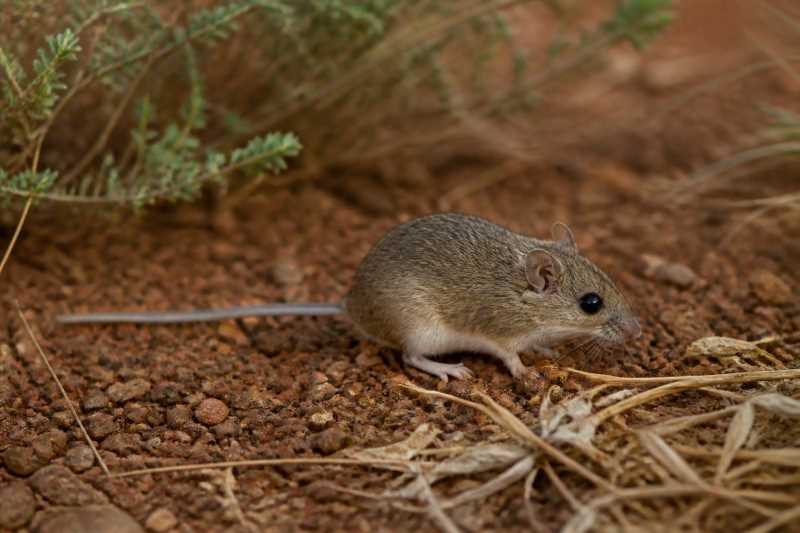
The Pilbara delicate mouse is a small rodent, typically measuring between 60 to 75 mm in body length, with a tail length that matches or slightly exceeds its body. Weighing around 10 to 15 grams, this species is characterized by its soft, grayish-brown fur, which provides a degree of camouflage against the arid landscape of the Pilbara region.
Notably, the mouse has a pointed snout and large, rounded ears that enhance its auditory capabilities, essential for detecting predators. Its eyes are relatively large, providing excellent night vision, as this species is primarily nocturnal. The limbs are slender, with the hind feet adapted for both running and hopping, aiding in quick movement across the rocky terrain.
Range and Habitat
The Pilbara delicate mouse is exclusively found in the Pilbara region of Western Australia, a remote and rugged area characterized by its rocky landscapes, spinifex grasslands, and sparse vegetation. This species thrives in habitats with loose, sandy soils and abundant ground cover, which offer protection from predators and harsh environmental conditions.
Primarily, the mouse inhabits areas with dense shrubbery or grass tussocks, which provide food sources and nesting sites. Seasonal variations influence its habitat preferences, with the species moving to more sheltered areas during extreme weather conditions, such as the intense heat of summer or heavy rains.
Behavior and Diet
The Pilbara delicate mouse is primarily nocturnal, with most of its activity occurring during the cooler hours of the night. This behavior helps it avoid the extreme temperatures of the day and reduces the risk of predation. The mouse is solitary and territorial, with individuals maintaining small home ranges that they defend against intruders.
Its diet consists mainly of seeds, fruits, and small insects. The mouse forages by digging through leaf litter and soil, using its keen sense of smell to locate food. During times of scarcity, it is known to consume plant material and other available organic matter.
Reproductive behaviors are largely influenced by environmental conditions, with breeding typically occurring after periods of rainfall when food resources are more abundant. Females give birth to litters of two to four young, which are weaned and independent within a few weeks of birth.
Identification Tips (Field Recognition Cues)
Identifying the Pilbara delicate mouse in the field requires attention to several key characteristics:
- Size and Shape: Look for a small rodent with a body length of 60 to 75 mm and a matching tail length.
- Fur and Coloration: Note the soft, grayish-brown fur, which blends with the arid landscape.
- Ears and Eyes: The mouse has large, rounded ears and prominent eyes, indicating its nocturnal habits.
- Movement: Observe its swift, hopping movements, which are distinctive in open and rocky areas.
These cues are essential for distinguishing the Pilbara delicate mouse from other small mammals in the region.
Conservation Status (With Threats and Protections)
The Pilbara delicate mouse is currently classified as "Least Concern" by the International Union for Conservation of Nature (IUCN), owing to its relatively stable population within its restricted range. However, the species faces several threats that could impact its survival in the long term.
Threats:
- Habitat Destruction: Mining activities, land clearing, and infrastructure development in the Pilbara region pose significant threats to the mouse’s habitat.
- Climate Change: Alterations in temperature and precipitation patterns could affect food availability and habitat conditions.
- Predation: Introduced predators, such as cats and foxes, pose a continual threat to the population.
Protections:
Efforts to conserve the Pilbara delicate mouse include habitat preservation and management strategies aimed at mitigating the impacts of development and climate change. Conservationists advocate for the maintenance of protected areas and the implementation of predator control programs to enhance the species’ chances of survival.
Frequently Asked Questions
Why is this species unique?
The Pilbara delicate mouse is unique due to its restricted range and specialized adaptations to the arid environment of the Pilbara region. Its delicate appearance and nocturnal habits further distinguish it from other rodents.
What role does it play in the ecosystem?
This mouse plays a crucial role in its ecosystem by aiding in seed dispersal and serving as prey for native predators. Its foraging activities also contribute to soil aeration and nutrient cycling.
How can we help conserve this species?
Conservation efforts can be supported by promoting habitat preservation, supporting research initiatives, and raising awareness about the threats faced by the Pilbara delicate mouse. Public engagement and education are key components in ensuring the long-term survival of this species.
What are the main threats to its survival?
The primary threats include habitat destruction due to mining and development, climate change impacts, and predation by introduced species such as cats and foxes. Conservation measures are essential to mitigate these threats.
Related posts


