Eastern Pebble Mouse (Pseudomys patrius): A Comprehensive Overview
Introduction
The Eastern Pebble Mouse, scientifically recognized as Pseudomys patrius, is an intriguing rodent species native to Australia. Known for its unique nest-building behavior using pebbles, this small mammal has captivated the interest of ecologists and wildlife enthusiasts alike. As a member of the Muridae family, the Eastern Pebble Mouse plays a vital role in its ecosystem, contributing to the biodiversity of the regions it inhabits. In this article, we delve into the various aspects of the Eastern Pebble Mouse, including its physical characteristics, habitat preferences, behavioral patterns, and conservation status.
Physical Description
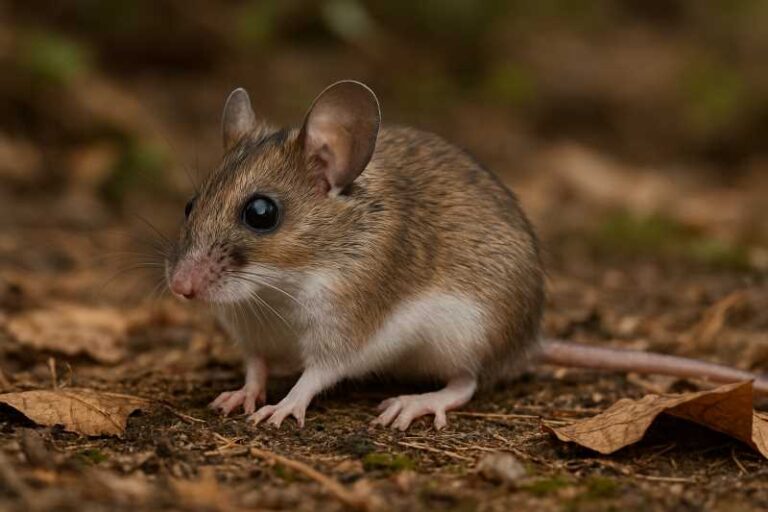
The Eastern Pebble Mouse is a small rodent characterized by its delicate features and distinctive pebble-nesting behavior. Adult mice typically weigh between 15 to 25 grams and measure about 70 to 90 millimeters in body length, excluding the tail. The tail, often used for balance and communication, adds an additional 80 to 100 millimeters to their overall length.
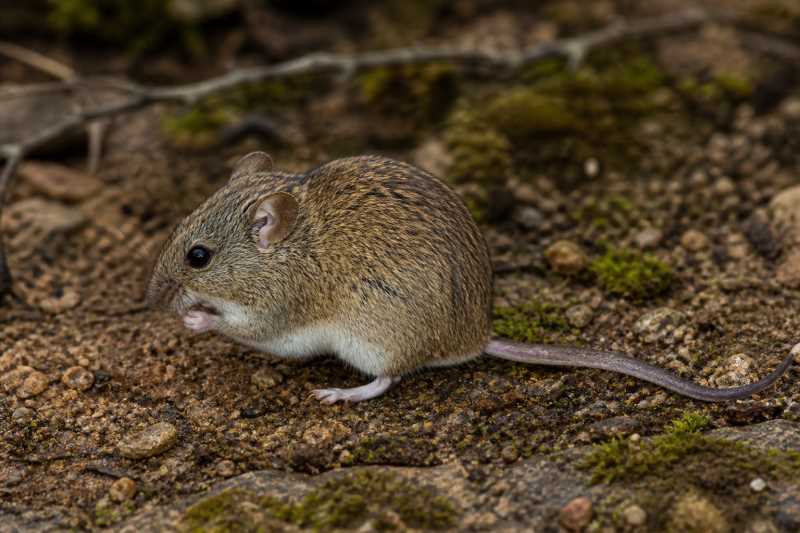
These mice exhibit a soft, dense fur coat that ranges in color from pale brown to grey, providing effective camouflage against the rocky and sandy terrains they frequent. Their underbellies are usually lighter, often appearing white or cream-colored. The Eastern Pebble Mouse has large, rounded ears and prominent, dark eyes that grant them excellent hearing and vision—essential adaptations for nocturnal living.
Range and Habitat
The Eastern Pebble Mouse is predominantly found in the semi-arid and arid regions of northeastern Australia, particularly in Queensland. Their preferred habitats include rocky outcrops, spinifex grasslands, and sandy plains where they can utilize the natural materials available for constructing their unique pebble nests.
These mice are well-suited to environments that experience significant temperature fluctuations and limited water availability. Their nests, often located under spinifex hummocks or between rocks, offer protection from predators and harsh weather conditions. The strategic placement of these nests also aids in thermoregulation, allowing the mice to maintain a stable internal temperature despite external extremes.
Behavior and Diet
The Eastern Pebble Mouse is primarily nocturnal, with most of its activities occurring under the cover of darkness. This behavior not only helps them avoid daytime predators but also reduces water loss through evaporation, a crucial adaptation for survival in arid environments.
Social creatures by nature, these mice often live in small family groups, sharing responsibilities such as nest maintenance and foraging. Communication within these groups is facilitated through vocalizations, scent markings, and physical gestures.
In terms of diet, the Eastern Pebble Mouse is predominantly herbivorous, feeding on seeds, grains, and green vegetation. They also consume insects and small invertebrates when available, providing a source of protein. Their foraging habits play a significant role in seed dispersal, contributing to the health and regeneration of their native ecosystems.
Identification Tips (Field Recognition Cues)
Identifying the Eastern Pebble Mouse in the field can be challenging due to its elusive nature and nocturnal habits. However, there are several key characteristics that can aid in recognition:
- Nest Structures: Look for distinctive pebble nests, often located under spinifex or between rocks. These nests are a clear indicator of the presence of Eastern Pebble Mice.
- Fur Coloration: Their pale brown to grey fur provides camouflage in rocky and sandy environments. The lighter underbelly is another distinguishing feature.
- Size and Shape: Note the small size, rounded ears, and long tail, which are typical of this species.
- Activity Patterns: Observing nocturnal activity in the described habitats can also suggest the presence of Eastern Pebble Mice.
Conservation Status (With Threats and Protections)
The Eastern Pebble Mouse is currently listed as a species of Least Concern by the International Union for Conservation of Nature (IUCN). However, it faces several threats that could impact its population stability if not addressed.
Threats
- Habitat Destruction: Urban development, agriculture, and mining activities pose significant risks to the natural habitats of the Eastern Pebble Mouse. Habitat fragmentation reduces available resources and can lead to population declines.
- Predation: Introduced predators such as feral cats and foxes have increased predation pressures on Eastern Pebble Mouse populations.
- Climate Change: Alterations in climate patterns can affect food availability and habitat suitability, posing long-term threats to the species.
Protections
Conservation efforts focus on habitat preservation and restoration. Protected areas have been established to safeguard critical habitats, and initiatives to control invasive predator populations are underway. Public education and community involvement also play vital roles in ensuring the ongoing survival of the Eastern Pebble Mouse.
Frequently Asked Questions
1. What does the Eastern Pebble Mouse eat?
The Eastern Pebble Mouse primarily consumes seeds, grains, and green vegetation. They are also opportunistic feeders, consuming insects and small invertebrates when available.
2. Where can I find Eastern Pebble Mice?
These mice are found in northeastern Australia, particularly in Queensland. They inhabit semi-arid and arid regions, preferring rocky outcrops, spinifex grasslands, and sandy plains.
3. How can I identify an Eastern Pebble Mouse?
Look for their distinctive pebble nests and observe their pale brown to grey fur, rounded ears, and long tails. Their nocturnal activity in specific habitats is also a key identification cue.
4. Are Eastern Pebble Mice endangered?
Currently, the Eastern Pebble Mouse is listed as Least Concern by the IUCN, but it faces threats from habitat destruction, introduced predators, and climate change.
5. How do Eastern Pebble Mice build their nests?
They construct nests using small pebbles, strategically placing them under spinifex hummocks or between rocks to provide protection and thermoregulation.
Related posts