Guatemalan Deermouse (Peromyscus guatemalensis): An In-Depth Exploration
Introduction
The Guatemalan Deermouse, scientifically known as Peromyscus guatemalensis, is a small mammal that inhabits the rich and diverse landscapes of Central America. This species, while not as widely known as some of its rodent counterparts, plays a crucial role in its ecosystem. In this comprehensive article, we delve into the various aspects of the Guatemalan Deermouse, from its physical characteristics to its behavior, diet, and conservation status.
Physical Description
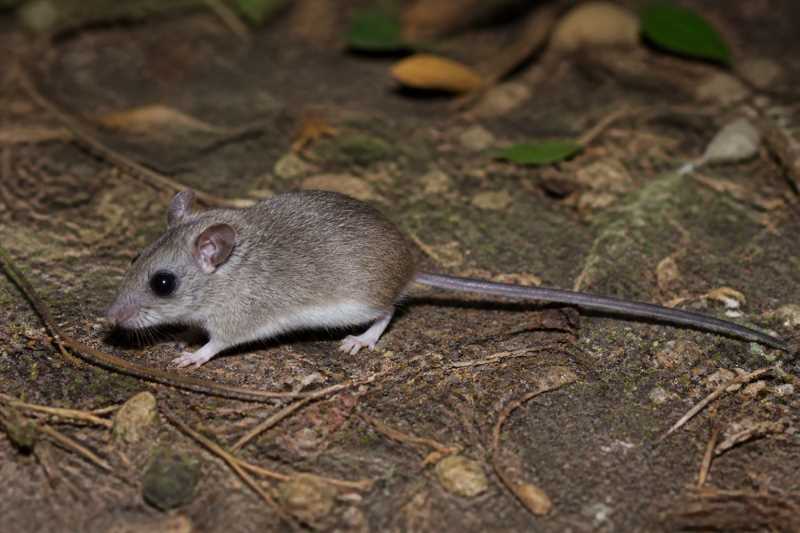
The Guatemalan Deermouse is characterized by its small size and distinctive features. Typically, an adult measures between 15 to 20 centimeters in length, including its tail, which often accounts for half of its total length. The fur is soft and dense, usually a mix of gray and brown tones on the dorsal side, with a lighter, almost white coloration on the ventral side. The ears are moderately sized, aiding in its acute sense of hearing, while its eyes are large and adapted for nocturnal activity. The limbs are slender, and the hind legs are slightly elongated, a trait that aids in their agility and jumping ability.
Range and Habitat
The Guatemalan Deermouse is predominantly found in the highland regions of Guatemala, with its range extending into parts of southern Mexico and Honduras. It thrives in montane forests, often at elevations ranging from 1,200 to 3,000 meters. These habitats are characterized by dense vegetation, providing ample cover and food resources. The deermouse prefers areas with a rich undergrowth of shrubs and ferns, which offer protection from predators and harsh weather conditions.
Behavior and Diet
As a nocturnal creature, the Guatemalan Deermouse is primarily active during the night. It is a solitary animal, with individuals typically occupying and defending their territories. The deermouse is an omnivorous species, with a diet comprising seeds, fruits, insects, and occasionally small invertebrates. This varied diet not only supports its nutritional needs but also plays a role in seed dispersal, contributing to the health of its ecosystem.
During the breeding season, which typically occurs in the spring and early summer, males and females engage in brief courtship displays. Females give birth to litters of 2 to 5 young after a gestation period of about 25 days. The young are weaned after approximately three weeks and reach sexual maturity at around two months of age.
Identification Tips (Field Recognition Cues)
Identifying the Guatemalan Deermouse in the field involves noting several key features:
- Size and Proportions: Look for a small rodent with a body length of 8 to 10 centimeters and a tail of similar length.
- Fur Coloration: Observe the grayish-brown dorsal fur contrasted with the white underside.
- Ear and Eye Size: Note the moderately large ears and prominent eyes, typical of nocturnal mammals.
- Behavioral Patterns: Watch for nocturnal activity and a preference for dense undergrowth.
Conservation Status (with Threats and Protections)
The Guatemalan Deermouse is currently listed as "Least Concern" by the International Union for Conservation of Nature (IUCN). However, like many species, it faces threats from habitat destruction due to agricultural expansion, logging, and urban development. Climate change also poses a potential risk by altering its montane habitat.
Conservation efforts are focused on habitat protection and promoting sustainable land-use practices. Protected areas within its range, such as national parks and reserves, provide some level of security. Continued research and monitoring are essential to ensure the long-term viability of this species.
Frequently Asked Questions
1. What makes the Guatemalan Deermouse unique compared to other rodents? The Guatemalan Deermouse is unique due to its adaptation to high-altitude montane forests, its nocturnal habits, and its role in seed dispersal within its ecosystem. These factors distinguish it from other rodent species that may inhabit different ecological niches.
2. How does the Guatemalan Deermouse contribute to its ecosystem? As an omnivore, the deermouse aids in controlling insect populations and dispersing seeds, which supports plant regeneration. These actions maintain the ecological balance within its habitat.
3. What are the main threats to the Guatemalan Deermouse? The primary threats include habitat loss due to deforestation and agricultural activities, as well as the broader impacts of climate change, which can alter its natural habitat.
4. How can one support the conservation of the Guatemalan Deermouse? Supporting conservation efforts involves advocating for protected areas, promoting sustainable land use, and contributing to organizations focused on biodiversity preservation in Central America.
5. Where can the Guatemalan Deermouse be observed in the wild? This species can be observed in the montane forests of Guatemala, particularly within protected reserves and national parks where their habitat is preserved.
Related posts