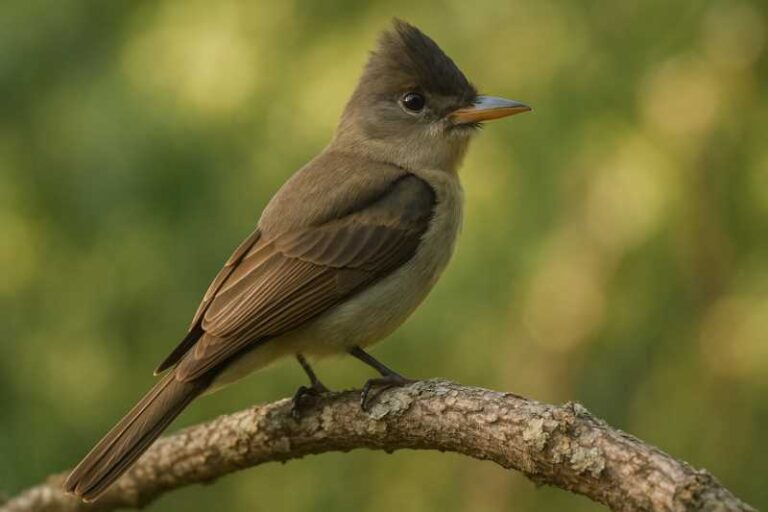
The Enigmatic White-quilled Rock Pigeon: A Closer Look at Petrophassa albipennis
The White-quilled Rock Pigeon (Petrophassa albipennis) is an intriguing avian species that has captured the attention of ornithologists and bird enthusiasts alike. This elusive bird, native to the rugged landscapes of northern Australia, is known for its distinctive white wing quills that set it apart from other pigeons. In this article, we delve into the fascinating world of the White-quilled Rock Pigeon, exploring its habitat, behavior, and the conservation efforts in place to protect this unique species.
Habitat and Distribution
Petrophassa albipennis is primarily found in the rocky escarpments and spinifex-covered hills of the Kimberley region in Western Australia and the northern parts of the Northern Territory. These areas provide the perfect environment for the species, offering ample cover and nesting sites among the rocks. The bird’s preference for remote and rugged terrain makes it less visible to casual observers, adding an air of mystery to its existence.
The White-quilled Rock Pigeon is well-adapted to the harsh conditions of its habitat, tolerating both the intense heat and the limited availability of water. Its presence is often a sign of a healthy ecosystem, as it relies on the natural balance of flora and fauna to thrive.
Physical Characteristics
The White-quilled Rock Pigeon is a medium-sized bird, with a robust body and a length of approximately 28 to 30 centimeters. Its plumage is generally a muted slate-grey, providing excellent camouflage against the rocky outcrops of its habitat. However, what truly distinguishes this species are its striking white wing quills, visible in flight and during courtship displays.
This unique feature has piqued the interest of many birdwatchers and researchers, as it is relatively rare among pigeon species. The white quills are believed to play a role in mate attraction and communication, although further studies are needed to fully understand their significance.
Behavior and Diet
The White-quilled Rock Pigeon is primarily a ground-dweller, foraging for seeds, fruits, and small insects among the rocks and sparse vegetation. It is known for its shy and reclusive nature, often retreating to higher ground when disturbed. This behavior, coupled with its preference for remote habitats, makes it a challenging subject for study.
Despite its elusive nature, the bird’s vocalizations are a familiar sound in its habitat, consisting of soft cooing and trilling calls that are used for communication between mates and within small flocks. These vocalizations are most commonly heard during the early morning and late afternoon when the birds are most active.
Reproduction and Lifespan
The breeding season for the White-quilled Rock Pigeon coincides with the onset of the wet season, when food resources are more abundant. The species is monogamous, with pairs forming long-term bonds that often last for several breeding seasons. Nests are typically constructed in sheltered rock crevices, providing protection from predators and the elements.
Females usually lay one or two eggs per clutch, with both parents sharing the responsibility of incubation and chick-rearing. The chicks are altricial, meaning they are born helpless and require extensive parental care before fledging. The lifespan of the White-quilled Rock Pigeon in the wild is not well-documented, but it is believed to be similar to other pigeon species, ranging from 5 to 10 years.
Conservation Status
Currently, the White-quilled Rock Pigeon is not listed as threatened or endangered. However, its restricted range and specialized habitat requirements make it vulnerable to environmental changes and human activities. Habitat degradation due to mining and agriculture, as well as the introduction of invasive species, poses significant threats to its population.
Conservation efforts are focused on preserving its natural habitat and monitoring population trends to ensure the species does not become at risk. Collaborative projects between government agencies, conservation organizations, and local communities are crucial in maintaining the biodiversity of the regions where the White-quilled Rock Pigeon resides.
Conclusion
The White-quilled Rock Pigeon is a remarkable example of nature’s adaptability and beauty. Its ability to thrive in some of Australia’s most challenging environments, coupled with its unique physical characteristics, makes it a subject of great interest to both scientists and bird enthusiasts. Continued research and conservation efforts are essential to understanding and preserving this enigmatic species, ensuring that it remains a part of Australia’s natural heritage for generations to come.
Related posts