Understanding the Trindade Petrel: A Journey into the Life of Pterodroma arminjoniana
The Trindade Petrel, scientifically named Pterodroma arminjoniana, is a fascinating seabird species that captures the interest of ornithologists and nature enthusiasts alike. With its mysterious and elusive nature, this seabird offers a unique glimpse into the rich biodiversity of remote oceanic islands. The purpose of this article is to delve into the various aspects of the Trindade Petrel’s life, including its habitat, behavior, conservation status, and significance in the broader ecological context.
Taxonomy and Identification
The Trindade Petrel is a member of the family Procellariidae, which includes other petrels, shearwaters, and fulmars. This family is part of the larger order Procellariiformes, known for their characteristic tube-shaped nostrils. The bird was first described by the Italian ornithologist Tommaso Salvadori in 1899, and it is named after the Brazilian island of Trindade, where it was initially discovered.
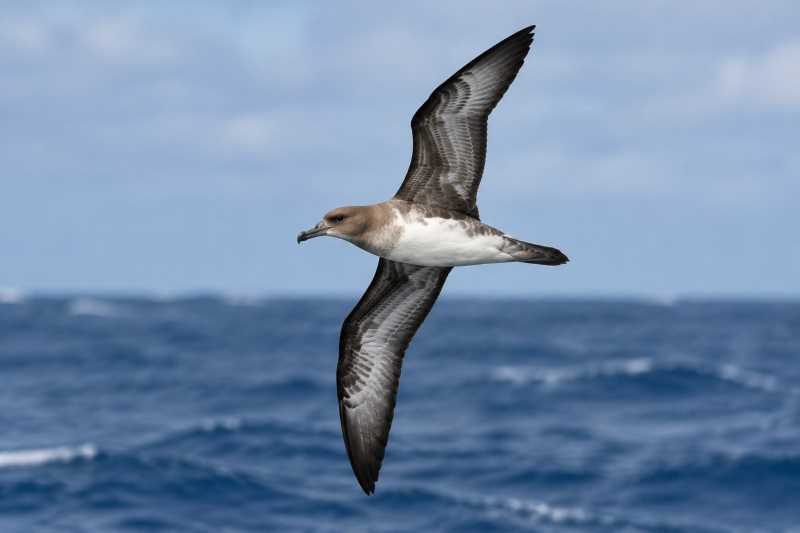
Identification of the Trindade Petrel can be challenging due to its similarity to other petrel species. It is a medium-sized seabird, measuring approximately 35-39 centimeters in length, with a wingspan of about 88-102 centimeters. Its plumage is typically dark gray-brown, with a paler underside and a distinctive white crescent on the underwing, which can be useful in distinguishing it from other species.
Distribution and Habitat
The Trindade Petrel is primarily found in the South Atlantic Ocean. Its most well-known breeding site is the Trindade Island, part of Brazil. Additionally, populations have been recorded on the islands of Martin Vaz, also in Brazil, and there have been sporadic sightings on other Atlantic islands. The species is pelagic for most of the year, meaning it spends the majority of its life at sea, far from land.
The breeding habitat on Trindade Island is characterized by steep cliffs and rocky slopes, which provide safe nesting sites away from terrestrial predators. The island itself is volcanic, with a rugged landscape that supports a unique ecosystem of flora and fauna adapted to the harsh conditions.
Behavior and Diet
Trindade Petrels are known for their impressive flying abilities, which they use to navigate the vast oceanic expanses in search of food. They are highly adapted for a life at sea, with long, slender wings that allow for dynamic soaring and efficient gliding over the ocean’s surface.
The diet of the Trindade Petrel primarily consists of squid and small fish. They are opportunistic feeders, often following fishing vessels to scavenge for scraps. Like other petrels, they have an acute sense of smell, which they use to locate prey over great distances.
During the breeding season, which varies depending on the location, these birds return to their island nesting sites to raise their young. They are monogamous, forming long-term pair bonds. The female typically lays a single egg, which both parents take turns incubating for around 50 days.
Conservation Status and Threats
The Trindade Petrel is currently listed as "Vulnerable" on the IUCN Red List of Threatened Species. The primary threats to its survival include habitat degradation, invasive species, and climate change. On Trindade Island, introduced species such as rats and goats have historically posed significant threats to nesting sites by predating on eggs and chicks.
Efforts to conserve the Trindade Petrel have focused on habitat restoration and the eradication of invasive species. In recent years, conservation programs have successfully removed goats from Trindade Island, allowing native vegetation to recover and providing more secure nesting sites for the petrels.
Climate change poses an additional challenge, with rising sea levels and changing ocean temperatures potentially impacting the availability of food and the suitability of breeding habitats. Conservationists are working to monitor these changes and develop strategies to mitigate their impact on the Trindade Petrel population.
Significance in the Ecosystem
The Trindade Petrel plays a crucial role in the marine ecosystem as both predator and prey. By feeding on squid and fish, they help to regulate these populations, contributing to the overall health of the oceanic food web. In turn, they serve as prey for larger predators, both at sea and on land, thereby maintaining the balance within the ecosystem.
Furthermore, as a species that spends much of its life over the open ocean, the Trindade Petrel acts as an indicator of ocean health. Changes in their population size and distribution can provide valuable insights into the effects of environmental changes, such as ocean warming and pollution.
Conclusion
The Trindade Petrel is a remarkable example of nature’s complexity and resilience. Despite facing numerous challenges, from invasive species to climate change, this seabird continues to navigate the vast Atlantic Ocean, embodying the spirit of survival and adaptation. Understanding and protecting the Trindade Petrel is not only crucial for the species itself but also for the health of the marine environments they inhabit.
As we continue to study and conserve this unique bird, we gain a deeper appreciation for the intricate connections that sustain life on our planet. The Trindade Petrel reminds us of the importance of preserving biodiversity and the delicate balance of the ecosystems that support us all.
Related posts