The Black-throated Spinetail: An Insight into the Life of Synallaxis castanea
Introduction
The Black-throated Spinetail (Synallaxis castanea) is a fascinating bird species that captivates ornithologists and bird watchers alike. Known for its distinctive black throat and intricate nesting habits, this bird is a member of the Furnariidae family, commonly referred to as ovenbirds due to their unique earth-baked nests. This article delves into the various aspects of the Black-throated Spinetail, encompassing its physical characteristics, habitat, behavior, diet, reproduction, and conservation status.
Physical Characteristics
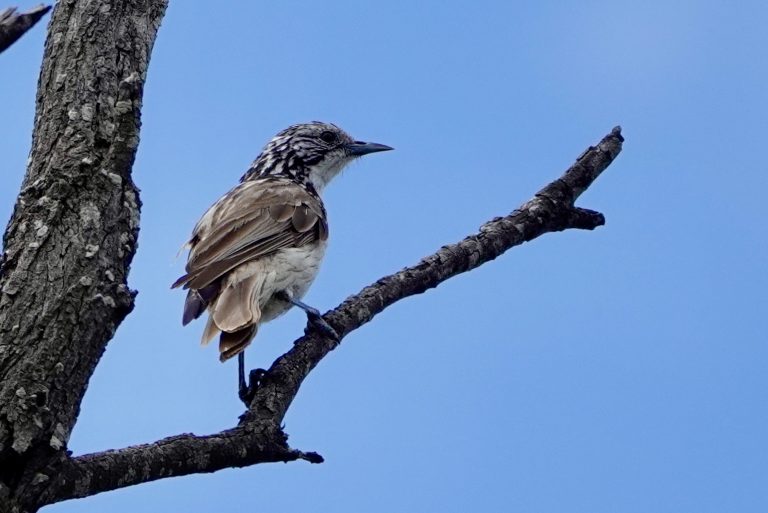
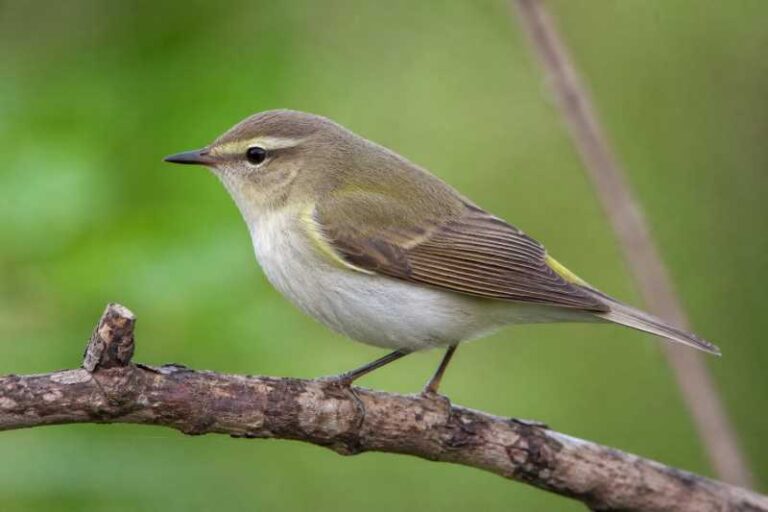
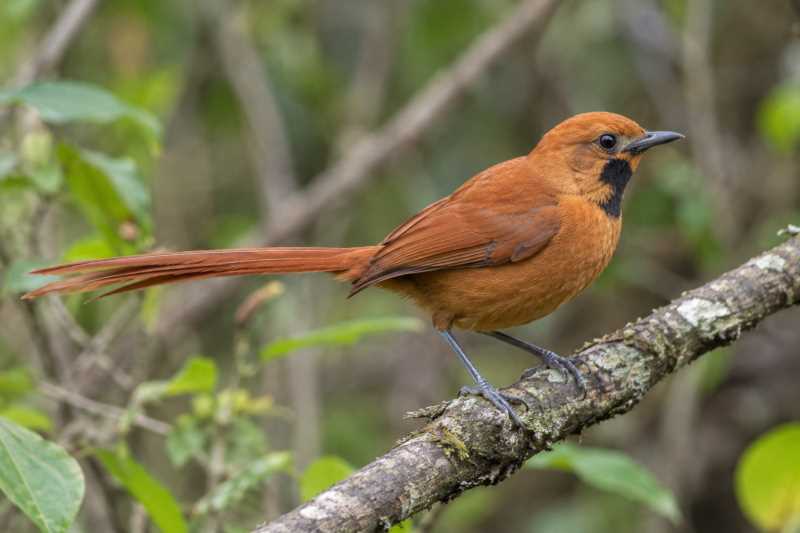
The Black-throated Spinetail is a small passerine bird, typically measuring around 16-17 centimeters in length. Its most distinguishing feature is the prominent black patch on its throat, contrasting with its otherwise chestnut-brown plumage. The bird’s back and wings are a rich, warm brown, while its underparts are a paler buff color. Its tail, which is long and often held upright, is a key identifier, as it is frequently seen flicking and fanning. The bird’s eyes are a striking pale gray, providing a sharp contrast to its darker facial features.
The plumage of the Black-throated Spinetail is well-adapted to blend into its natural environment, which primarily consists of dense brush and forested areas. This camouflaging ability is crucial for evading predators and foraging stealthily.
Habitat and Distribution
Synallaxis castanea is predominantly found in the subtropical and tropical regions of South America. Its range includes countries such as Colombia, Venezuela, Ecuador, and Peru. It thrives in montane forests, particularly those located at altitudes ranging from 1,500 to 3,000 meters above sea level. These areas provide the dense undergrowth and thickets that the Spinetail favors for both nesting and foraging.
The bird is typically associated with humid montane forest edges, secondary growth, and bamboo thickets. It is less commonly found in heavily disturbed areas, indicating a preference for relatively undisturbed habitats. The preservation of these forested areas is crucial for the survival of the species, as deforestation poses a significant threat to its natural habitat.
Behavior and Social Structure
The Black-throated Spinetail is a shy and elusive bird, often difficult to observe due to its preference for dense cover. It is known for its skulking behavior, as it moves through the underbrush with agility and stealth. Despite its elusive nature, it is a vocal species, often communicating through a series of sharp calls and chatters.
These birds are primarily solitary or found in pairs, especially during the breeding season. They are territorial, defending their chosen area from intruders with vocal displays and posturing. The Spinetail is also known for its cooperative breeding behavior, with non-breeding individuals often assisting in raising the young.
Diet and Foraging
The diet of the Black-throated Spinetail consists mainly of insects and other small invertebrates. It forages by gleaning insects from foliage, branches, and the forest floor. The bird’s long tail and agile movements allow it to maneuver through dense vegetation with ease, enabling it to access hidden prey.
In addition to insects, the Spinetail occasionally consumes seeds and small fruits, supplementing its diet as needed. This opportunistic feeding strategy is advantageous in the fluctuating environments it inhabits, where food availability can vary significantly.
Reproduction and Nesting
The reproductive behavior of the Black-throated Spinetail is particularly intriguing. Nesting typically occurs during the wet season when food resources are abundant. The species is known for its elaborate nest-building habits, constructing domed nests out of sticks, leaves, and vines. These nests are often situated in dense thickets or bamboo stands, providing protection from predators and harsh weather conditions.
The female typically lays 2-3 eggs, which are incubated by both parents. The cooperative breeding behavior observed in this species means that additional non-breeding adults may assist in feeding and caring for the chicks. This social structure enhances the survival rate of the offspring, ensuring that they receive adequate care and protection during the vulnerable early stages of life.
Conservation Status and Threats
Currently, the Black-throated Spinetail is not listed as endangered; however, it faces several threats that could impact its population in the future. Habitat destruction, primarily due to deforestation for agriculture and urban development, poses the most significant threat to its survival. As forests are cleared, the Spinetail loses its natural habitat, leading to population declines.
Conservation efforts are essential to protect the habitats of the Black-throated Spinetail. Initiatives such as the establishment of protected areas and reforestation projects can help preserve the montane forests critical to the species’ survival. Additionally, raising awareness about the ecological importance of these birds can foster community support for conservation measures.
Conclusion
The Black-throated Spinetail is a remarkable bird that plays a vital role in the ecosystems it inhabits. Its unique behaviors, such as cooperative breeding and intricate nest building, highlight the complexity and diversity of avian life in South America. While not currently endangered, continued conservation efforts are crucial to ensure that this species thrives in the wild for generations to come. Protecting the habitats of the Black-throated Spinetail not only safeguards this unique bird but also preserves the rich biodiversity of the montane forests it calls home.
References
- BirdLife International (2023). "Synallaxis castanea." The IUCN Red List of Threatened Species.
- Ridgely, R. S., & Tudor, G. (1994). "The Birds of South America: The Suboscine Passerines." University of Texas Press.
- Schulenberg, T. S., & Stotz, D. F. (1999). "Neotropical Birds: Ecology and Conservation." University of Chicago Press.
Meta Title
Black-throated Spinetail: Insights into Synallaxis castanea
Meta Description
Explore the Black-throated Spinetail: its habitat, behavior, diet, and conservation. Discover what makes Synallaxis castanea unique in the avian world.
Related posts