Northern Scrub Flycatcher: An In-Depth Exploration
Introduction
The Northern Scrub Flycatcher (Sublegatus arenarum) is a fascinating avian species that has captured the interest of ornithologists and bird watchers alike. Known for its discreet nature and unique habitat preferences, this bird offers a rich subject for study and admiration. Found predominantly in the tropical regions of South America, this flycatcher is a member of the Tyrannidae family, which is renowned for its diversity and ecological significance.
Taxonomy and Classification
Belonging to the order Passeriformes, the Northern Scrub Flycatcher is classified under the family Tyrannidae, a diverse group commonly referred to as the tyrant flycatchers. The genus Sublegatus comprises three species, with S. arenarum being one of them. This bird is closely related to the Southern Scrub Flycatcher (Sublegatus modestus) and the Amazonian Scrub Flycatcher (Sublegatus obscurior), with subtle morphological differences that distinguish each species.
Description and Morphology
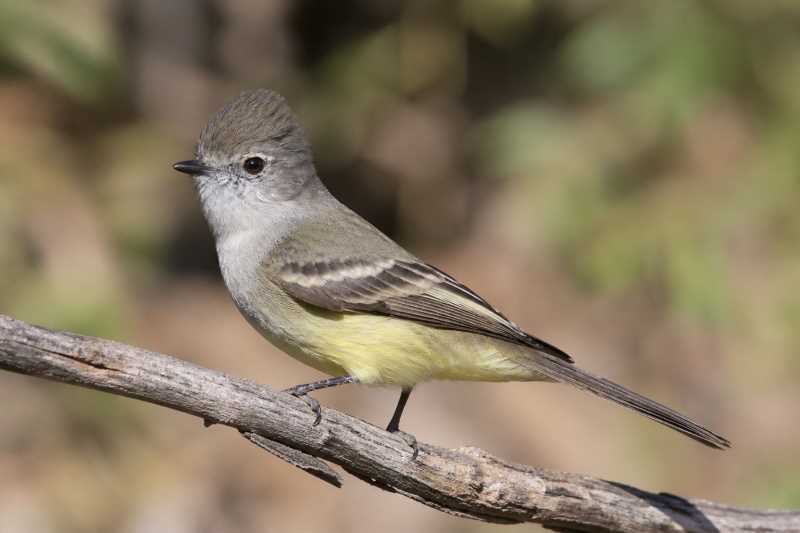
The Northern Scrub Flycatcher is a small bird, measuring approximately 12 to 13 centimeters in length. It exhibits a predominantly grayish-brown plumage with a paler underside, which provides excellent camouflage against its natural habitat. The bird’s wings are somewhat rounded with a faint white wing bar, an identifying feature when observed in the field. Its bill is short and stout, adapted for catching insects, its primary diet.
The subtle coloration of this species often makes it challenging to spot, emphasizing the importance of vocalizations in its identification. The call of the Northern Scrub Flycatcher is a sharp, metallic "chip," often repeated in rapid succession, especially during the breeding season.
Habitat and Distribution
The Northern Scrub Flycatcher inhabits the lowland tropical forests and scrublands of northern South America. Its range extends from northern Colombia and Venezuela to the Guianas. This bird prefers the edges of forests and areas with dense shrubbery, where it can find abundant insect prey while staying concealed from predators.
Despite its relatively wide distribution, the Northern Scrub Flycatcher is not considered common in any part of its range. It is typically seen alone or in pairs, foraging at low to mid-levels in the understory.
Behavior and Ecology
The Northern Scrub Flycatcher is primarily insectivorous, feeding on a variety of small arthropods. It employs a "sit-and-wait" strategy, perching silently until prey is detected. Once a target is spotted, the flycatcher launches into a brief sally to snatch the insect mid-air or pluck it from foliage.
During the breeding season, which varies slightly depending on the location, males engage in vocal displays to attract mates and establish territory. The nesting behavior of the Northern Scrub Flycatcher is not well-documented, but it is believed to construct a small cup-shaped nest in dense vegetation.
Conservation Status
Currently, the Northern Scrub Flycatcher is not listed as threatened or endangered. However, like many tropical species, it faces potential risks from habitat destruction and fragmentation due to deforestation and agricultural expansion. Conservation efforts aimed at preserving tropical forest habitats are crucial to ensuring the long-term survival of this and many other species.
Conclusion
The Northern Scrub Flycatcher is a testament to the rich biodiversity of the neotropical regions. Despite its elusive nature, this bird plays a significant role in the ecosystem as a predator of insects and as a part of the avian community. Efforts to study and conserve its habitat are vital to appreciating and sustaining the intricate web of life in these tropical environs.
Further Research
Further research is needed to better understand the breeding habits, migratory patterns, and population dynamics of the Northern Scrub Flycatcher. Citizen science initiatives and collaboration with local communities could provide valuable data to fill current knowledge gaps.
By fostering a deeper understanding and appreciation for the Northern Scrub Flycatcher, we can contribute to its conservation and ensure that future generations can continue to enjoy the sight and sound of this intriguing bird in its natural habitat.
Related posts